




What's Happening?
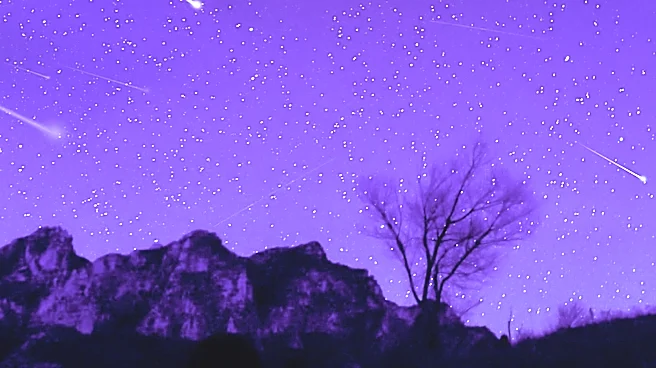
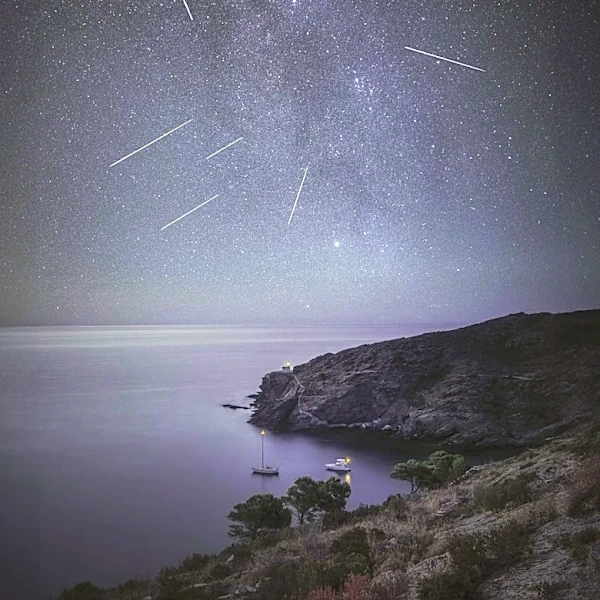
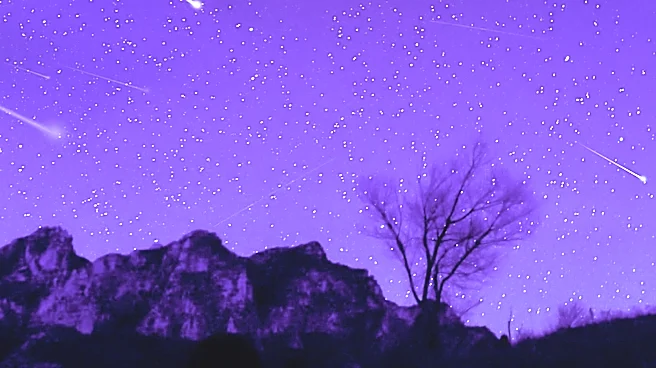
The Perseid meteor shower, one of the most popular annual meteor events, is set to peak on the night of August 12 into the morning of August 13. This year, the peak coincides with a New Moon, providing optimal conditions for viewing due to minimal lunar
light pollution. The Perseids, which originate from the debris of comet 109P/Swift-Tuttle, are expected to produce 30 to 50 meteors per hour under ideal conditions, particularly in rural areas. The meteor shower is active from July 17 to August 24, with the peak offering the best chance to see the meteors.
Why It's Important?
The Perseid meteor shower is a significant astronomical event that attracts skywatchers and enthusiasts due to its high visibility and frequency of meteors. The event provides an opportunity for educational outreach and public engagement with astronomy, encouraging people to explore the night sky. The lack of moonlight during this year's peak enhances the viewing experience, making it an ideal time for both amateur and professional astronomers to observe and study the meteors. This event also highlights the importance of preserving dark skies, free from light pollution, to fully appreciate such natural phenomena.
What's Next?
As the peak approaches, individuals interested in viewing the Perseids are advised to find locations away from city lights to maximize visibility. Allowing eyes to adjust to the darkness for 20 to 30 minutes can enhance the viewing experience. The meteor shower will continue to be visible until August 24, but the number of meteors will decrease after the peak. This event may inspire future interest in astronomy and encourage efforts to reduce light pollution in urban areas.