




What's Happening?
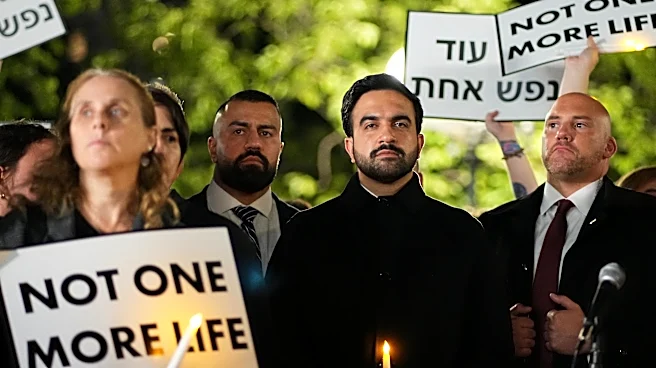
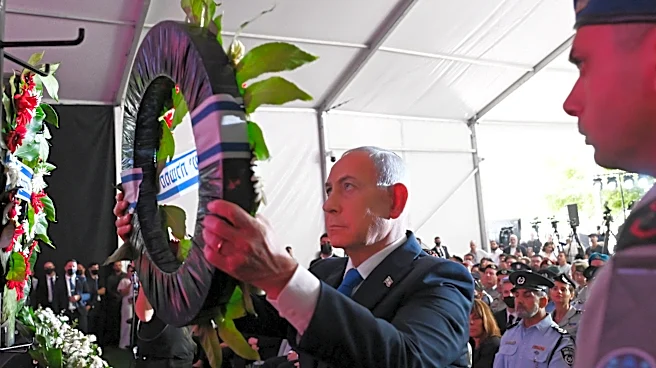
Local lawmakers and community leaders in Gravesend, Brooklyn, are pushing for the establishment of a permanent memorial to honor the victims of the October 7 Hamas terror attack in Israel. The initiative was announced at a press conference in Gravesend, attended
by prominent Jewish politicians including State Sen. Sam Sutton, U.S. Rep. Dan Goldman, NYC Comptroller Mark Levine, NYC Council Speaker Julie Menin, and Council Member Eric Dinowitz. The proposed tribute, a 6-foot-by-6-foot installation, would be located at the Mickey Kairey Garden at Avenue R and E. 5th Street. If approved, it would be the first permanent public site in New York City dedicated to those killed and taken hostage during the attacks. Community members plan to privately fund the design, installation, and upkeep of the memorial. State Sen. Sutton expressed confidence that the New York City Department of Parks and Recreation would make an exception to its typical five-to-ten-year waiting period for memorials, citing the precedent set by the 9/11 Memorial.
Why It's Important?
This initiative holds significant importance for the Jewish community in New York City, which is the largest outside of Israel. The proposed memorial aims to provide a physical space for remembrance, education, and a stand against rising antisemitism. Speakers at the press conference emphasized the need to combat historical revisionism and ensure that the events of October 7 are never forgotten. Council Speaker Julie Menin, whose parents are Holocaust survivors, highlighted the message of 'Never Forget' and its relevance in preventing future atrocities, especially as antisemitic attacks increase in the city. The memorial would serve as a tangible symbol of solidarity and a commitment to preserving the truth of the events, offering a place for future generations to learn about the victims and the broader context of the attacks.
What's Next?
The next step for the proposed memorial involves securing approval from the New York City Department of Parks and Recreation. While the department typically requires a waiting period of five to ten years after an event for commemoration, proponents of the memorial are optimistic that an exception will be made due to the widespread political support and the gravity of the event, similar to the 9/11 Memorial. Community members will proceed with privately funding the design, installation, and ongoing maintenance of the memorial. Should approval be granted, the focus will shift to finalizing the design and commencing construction, aiming to establish this significant public tribute in Gravesend.
Beyond the Headlines
The push for a permanent October 7 memorial in Gravesend extends beyond a simple act of remembrance; it reflects a broader societal struggle against historical revisionism and the rise of antisemitism. The initiative underscores the critical role of public memorials in shaping collective memory and educating future generations about traumatic events. In a climate where historical narratives can be contested, a physical monument serves as an enduring testament to the victims and the facts of the attack. This effort also highlights the ongoing debate about the criteria and timelines for establishing public memorials, particularly for events with immediate and profound societal impact. The community's commitment to private funding also signals a deep-seated desire for self-determination in memorializing their experiences and ensuring their history is preserved.