


What's Happening?
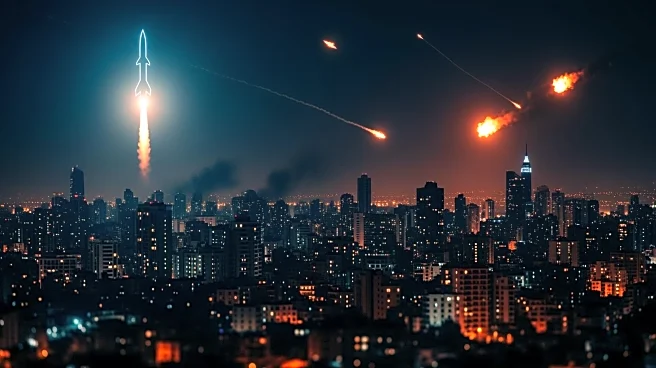
The Israeli Defense Forces (IDF) have reported significant progress in reducing the threat posed by Iranian ballistic missiles. According to military sources, the IDF has successfully destroyed 75% of Iran's missile launchers, an increase from 65% just
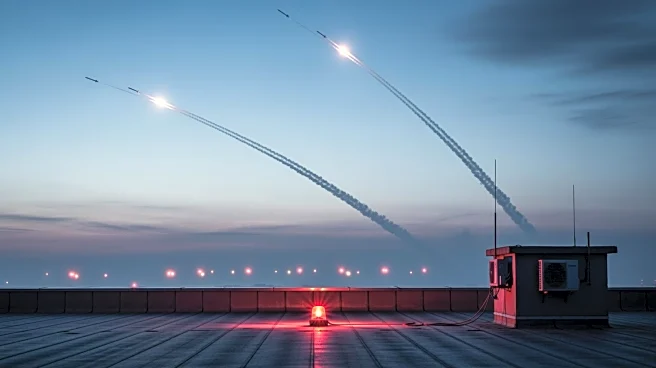
two days prior. Despite this progress, the IDF anticipates that Iran can continue its missile barrages for an extended period. The number of missiles fired has decreased from 100 on the first day of the conflict to between 10 and 14 in recent days. However, the remaining missile launchers and over 1,000 missiles are dispersed across Iran, making it challenging to completely halt the missile fire. The IDF's efforts have so far prevented massive hits in Israel, although sporadic significant hits have occurred.
Why It's Important?
The reduction in Iranian missile capabilities is crucial for Israel's national security and the safety of its citizens. The ongoing conflict has forced millions of Israelis into safe rooms and bomb shelters, disrupting daily life. The IDF's success in diminishing the missile threat could lead to fewer casualties and less disruption. However, the persistence of missile attacks underscores the complexity of the conflict and the challenges in achieving a swift resolution. The situation also highlights the broader geopolitical tensions in the region, with potential implications for international relations and security dynamics.
What's Next?
The IDF will likely continue its operations to further reduce the Iranian missile threat. The focus will be on targeting the remaining missile launchers and preventing further significant hits on Israeli territory. The international community may also play a role in mediating the conflict and seeking diplomatic solutions. The ongoing situation could prompt discussions on regional security and defense strategies, as well as potential international interventions or peacekeeping efforts.