








What's Happening?
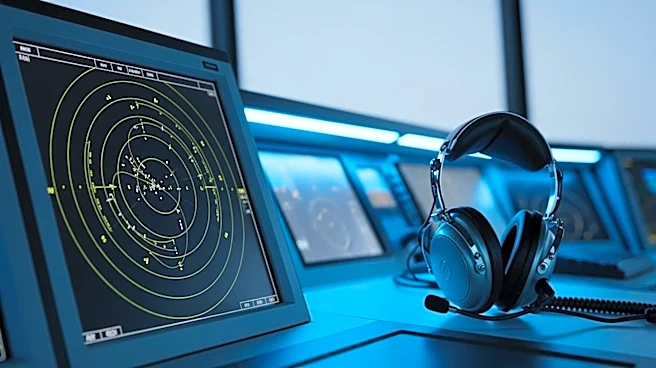
The Department of Transportation (DOT) is in the process of upgrading the U.S. air traffic control system, which has been operating with outdated technology from the 1990s. A $12.5 billion allocation from President Trump's spending bill has been used
to replace nearly half of the copper wires, convert 270 radio sites, and implement electronic flight strips in 17 towers. However, Transportation Secretary Sean Duffy has indicated that more funding is necessary to complete the software side of the upgrades, which includes integrating artificial intelligence and new technologies to enhance the efficiency and safety of U.S. flights. The current system has been under scrutiny following several high-profile incidents, including a fatal collision at LaGuardia Airport.
Why It's Important?
The modernization of the air traffic control system is crucial for improving the safety and efficiency of air travel in the United States. The current system's outdated technology has been linked to increased risks and operational inefficiencies, as evidenced by recent accidents. Upgrading the system with new technologies, including artificial intelligence, could significantly reduce these risks and improve the overall reliability of air travel. The need for additional funding highlights the challenges of maintaining and upgrading critical infrastructure, and the outcome will impact airlines, passengers, and the broader aviation industry.
What's Next?
The DOT aims to complete the overhaul of the air traffic control system by the end of 2028. Secretary Duffy has called on Congress to provide an additional $7 to $10 billion to fund the necessary software upgrades. The integration of artificial intelligence is expected to enhance the system's capabilities, although human air traffic controllers will remain in charge. The success of this initiative will depend on securing the required funding and effectively implementing the new technologies.