
What's Happening?
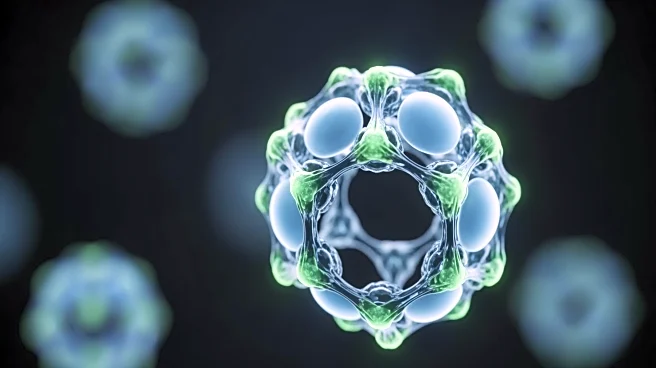
Researchers at Scripps Research have developed new nanoparticle vaccines that show promise against multiple deadly filoviruses, including Ebola and Marburg viruses. These vaccines utilize engineered, self-assembling
protein nanoparticles to display filovirus surface proteins, enhancing the immune system's ability to recognize and respond to the virus. In mouse studies, these vaccines triggered strong antibody responses across several filoviruses. The research, published in Nature Communications, represents a significant step toward broader protection against this dangerous family of viruses.
Why It's Important?
Filoviruses are among the most dangerous pathogens, with high mortality rates and the potential to cause devastating outbreaks. Current vaccines do not provide broad protection across the filovirus family. The development of these nanoparticle vaccines could lead to more effective prevention strategies, reducing the impact of future outbreaks. This research also highlights the potential of structure-based design in creating vaccines that can target multiple virus strains, which is crucial for addressing emerging infectious diseases.
What's Next?
The research team plans to extend this nanoparticle-based strategy to other high-risk pathogens, such as Lassa and Nipah viruses. They are also exploring methods to overcome the glycan shield that protects filoviruses, which could enhance vaccine efficacy. Continued research and development in this area could lead to the creation of universal vaccines for filoviruses, significantly improving global health security.