
What's Happening?
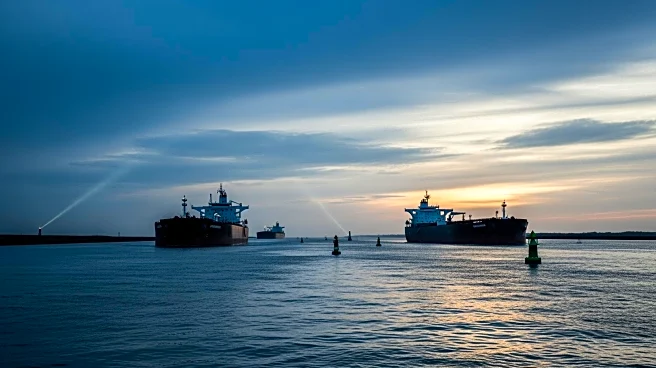
Dozens of Russian oil tankers, sanctioned by the UK in response to Russia's invasion of Ukraine, have been navigating the English Channel despite the UK government's vow to take 'assertive action'. These
tankers, part of a 'shadow fleet' with obscured ownership, have been used by Russia to evade sanctions on its oil exports. The UK government had received legal assurances that such vessels could be detained, yet 42 sanctioned tankers have passed through the Channel after this advice was received. The shadow fleet has been instrumental in mitigating the impact of an embargo on Russian oil exports, helping to sustain Russia's economy amid Western sanctions. Despite the UK aiding US forces in seizing a tanker near Iceland and France in the Mediterranean, British troops have not independently seized any shadow fleet vessels. This has led to criticism from figures like Dame Emily Thornberry, who emphasized the need for effective implementation of sanctions to support Ukraine.
Why It's Important?
The passage of these sanctioned tankers through the English Channel highlights the challenges in enforcing international sanctions against Russia. The shadow fleet's ability to continue operations undermines the effectiveness of the sanctions, which are intended to pressure Russia economically and politically. The situation underscores the complexities of international maritime law and the difficulties in monitoring and intercepting vessels with obscured ownership. The continued operation of these tankers provides Russia with a crucial economic lifeline, potentially prolonging the conflict in Ukraine by sustaining its war efforts. The UK's inability to independently seize these vessels raises questions about the enforcement of international sanctions and the commitment of Western allies to hold Russia accountable.
What's Next?
The UK government may face increased pressure to take more decisive action against the shadow fleet. This could involve closer collaboration with international allies to enhance monitoring and enforcement efforts. The situation may also prompt discussions on strengthening maritime laws and sanctions enforcement mechanisms. Additionally, Russia's response to any increased enforcement actions could escalate tensions, potentially leading to diplomatic or military confrontations. The international community will likely continue to scrutinize the effectiveness of sanctions and explore new strategies to curtail Russia's economic activities.