







What's Happening?
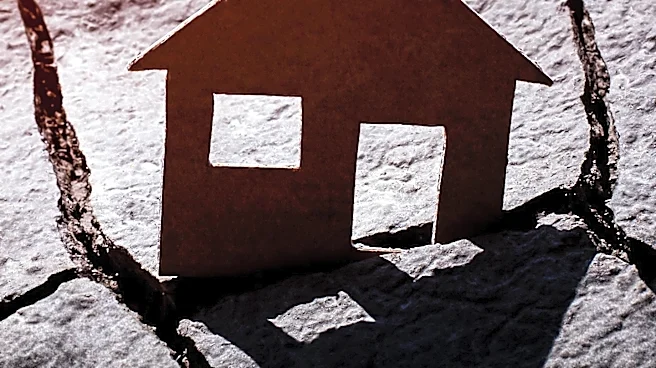
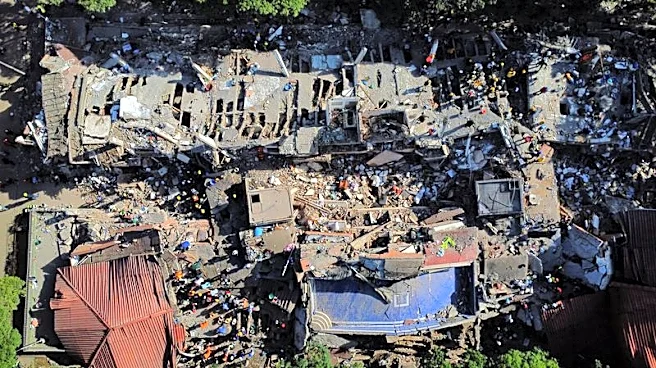
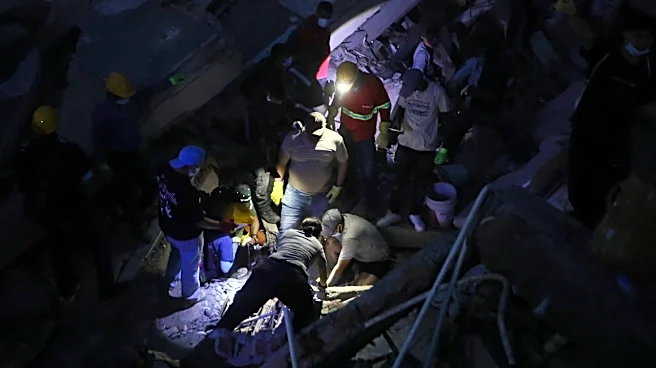
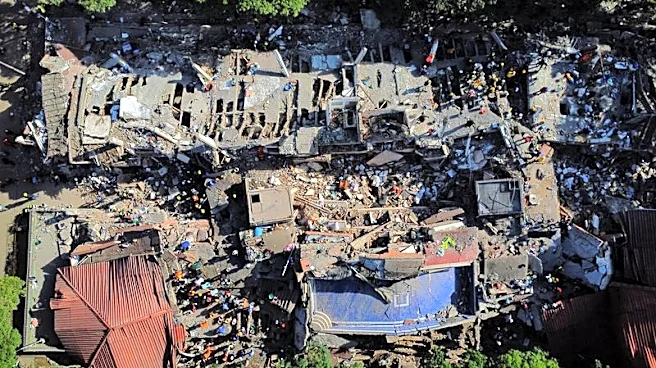
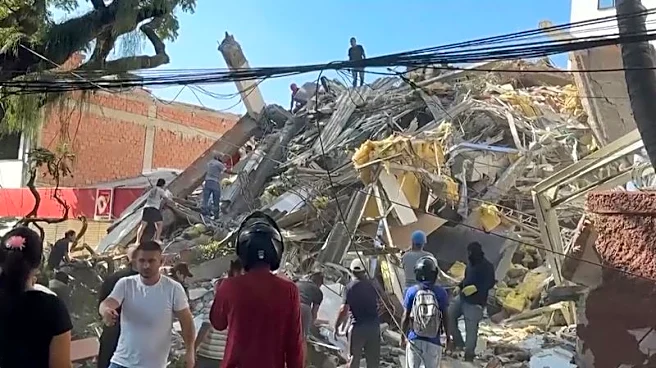
Rescue teams in Colombia are racing against time to find survivors following a powerful 7.4-magnitude earthquake that has claimed at least 181 lives and injured over 1,300 people. The quake, which struck the western region of Colombia, has left more than
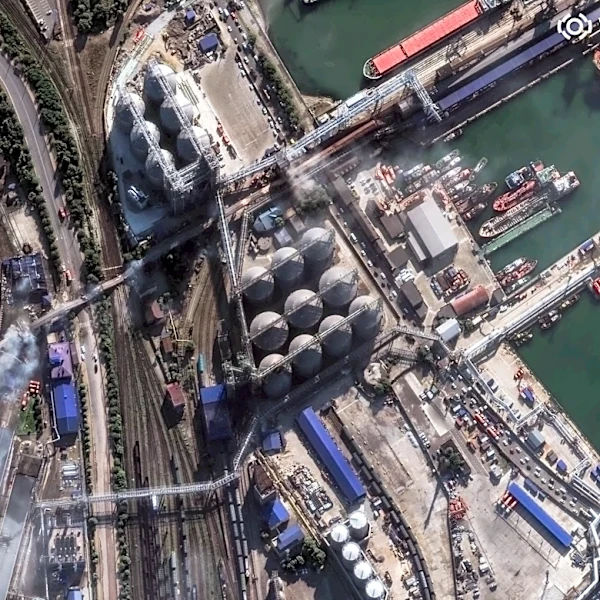
3,000 people missing and caused significant damage to infrastructure. President Abelardo de la Espriella has declared a state of emergency and mobilized military and police resources for rescue operations. International aid is pouring in, with the United States pledging $15.5 million in emergency relief and the European Union deploying its Copernicus satellite service to assist in the efforts.
Why It's Important?
The earthquake in Colombia is a stark reminder of the devastating impact of natural disasters and the importance of rapid response and international cooperation. The scale of the disaster has overwhelmed local resources, highlighting the need for robust emergency preparedness and infrastructure resilience. The international community's swift response demonstrates the global solidarity in addressing humanitarian crises. The disaster also underscores the need for investment in early warning systems and disaster risk reduction strategies to mitigate the impact of future events.
What's Next?
As rescue operations continue, the focus will gradually shift to recovery and rebuilding efforts. The international community's support will be crucial in providing the necessary resources and expertise for Colombia's recovery. The disaster may prompt a reevaluation of building codes and emergency preparedness measures in earthquake-prone regions. Additionally, the situation could lead to increased investment in technologies and systems designed to predict and mitigate the impact of such natural events.