







What's Happening?
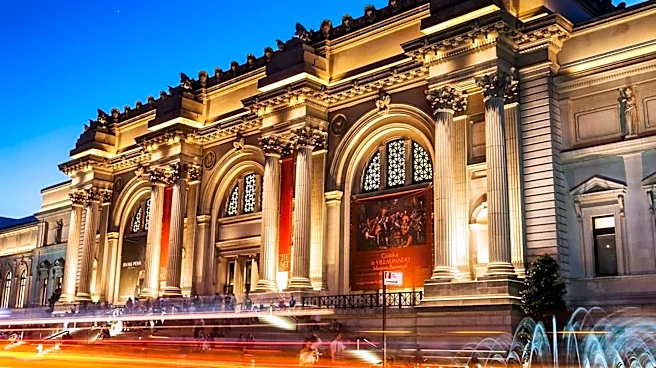
Several prominent New York City museums and cultural institutions, including the Metropolitan Museum of Art and the American Museum of Natural History, have accrued tens of thousands of dollars in fire code violation fines over the past two years. However,
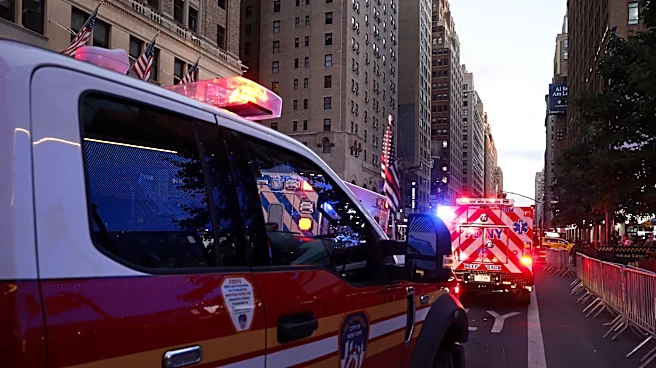
the city has not been collecting these fines. Records reviewed by Gothamist indicate that from 2023 through 2025, the FDNY issued at least 65 summonses, primarily for false fire alarms, but assigned them to the Department of Cultural Affairs rather than the institutions themselves. This practice stems from the fact that these institutions operate on city-owned property as part of public-private partnerships. When a city agency fines another city agency, the fines are generally not collected, as it would effectively mean the city paying itself.
Why It's Important?
This practice raises questions about fairness and accountability within New York City's regulatory framework. While the city's policy of not collecting fines from its own agencies is understandable from an accounting perspective, it creates a loophole for cultural institutions that are technically responsible for these violations according to their own procedures manual. This could lead to a perception of unequal treatment, as private entities would typically be required to pay such fines. The financial implications are also significant; while some institutions like the Metropolitan Museum of Art have substantial net incomes, the uncollected fines represent a potential loss of revenue for the city and could disincentivize strict adherence to fire safety protocols if there are no financial consequences for repeated violations.
What's Next?
The revelation of this practice may prompt a review of the city's policies regarding fines for institutions operating under public-private partnerships. Stakeholders, including the FDNY, the Department of Cultural Affairs, and the cultural institutions themselves, may need to clarify responsibilities and potentially revise existing agreements or procedures. There could be public pressure to ensure that all entities, regardless of their partnership status with the city, are held equally accountable for safety violations. Legal experts suggest that while this practice might be a way for the city to support its cultural partners, it could also lead to broader discussions about the equitable application of city ordinances and the financial responsibilities of public-private ventures.
Beyond the Headlines
The situation highlights the complex relationship between public entities and private cultural institutions in major cities. While these partnerships are crucial for maintaining and operating world-class museums and cultural sites, the financial and regulatory arrangements can be intricate. The city's decision not to collect fines from these institutions, while potentially a form of indirect subsidy, could inadvertently create a moral hazard where compliance with regulations is not as rigorously enforced. This scenario also touches upon the broader debate about how cities balance supporting cultural assets with ensuring public safety and financial accountability. It underscores the need for transparent and consistent application of laws and regulations across all sectors, whether public, private, or hybrid.