




What's Happening?
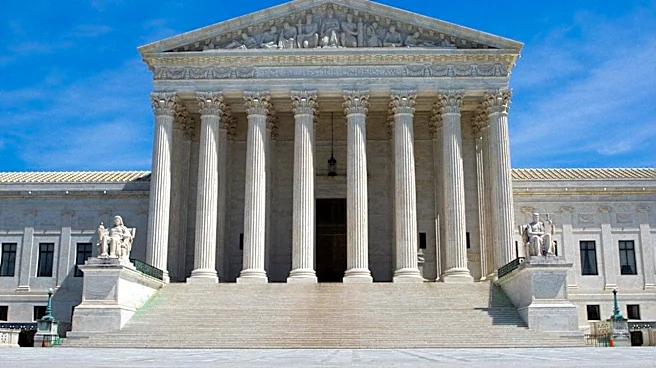
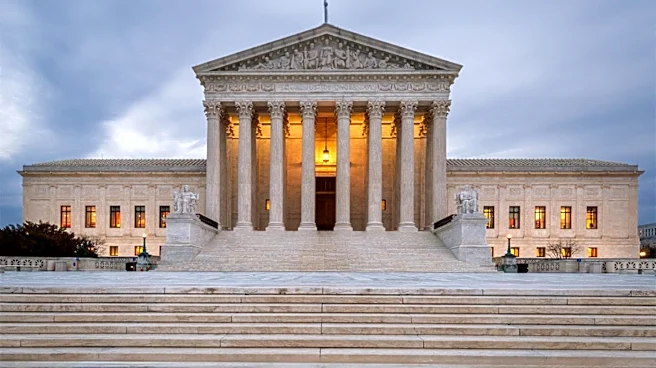
The Supreme Court has announced the hiring of 38 clerks for the October Term 2026. This cohort includes clerks for each active justice and retired Justices Anthony Kennedy and Stephen Breyer. The gender distribution among the clerks is notably imbalanced,
with 66% being men and 34% women, marking the least balanced gender ratio since the October Term 2022. Historically, the gender ratio of clerks has been skewed towards men, despite women constituting a majority of law school students since 2016. The clerks come from 14 different law schools, with Harvard leading the pack by contributing 11 clerks. The hiring process also highlights the role of 'feeder judges,' with Judge Gregory Katsas of the D.C. Circuit having the most clerks at the Supreme Court for this term.
Why It's Important?
The gender imbalance in the Supreme Court clerkship hiring is significant as it reflects broader issues of gender representation in the legal profession, particularly at the highest levels. Despite women making up a majority of law students, their underrepresentation among Supreme Court clerks suggests potential barriers in the pipeline to top legal positions. The diversity of feeder schools and judges also indicates the evolving landscape of legal education and mentorship, with a broader range of institutions contributing to the clerkship pool. This diversity can influence the perspectives and experiences brought to the Supreme Court, potentially affecting judicial decision-making.
What's Next?
Justice Ketanji Brown Jackson has outlined a transparent and merit-based process for selecting her clerks for the October Term 2027, emphasizing the importance of legal research, writing skills, and a commitment to equal justice. The deadline for applications is September 4, 2026. This process may serve as a model for other justices, potentially leading to more equitable and diverse hiring practices in the future. The ongoing analysis of feeder judges and schools will continue to shape the composition of future clerk cohorts, influencing the legal landscape at the highest level.