


What's Happening?
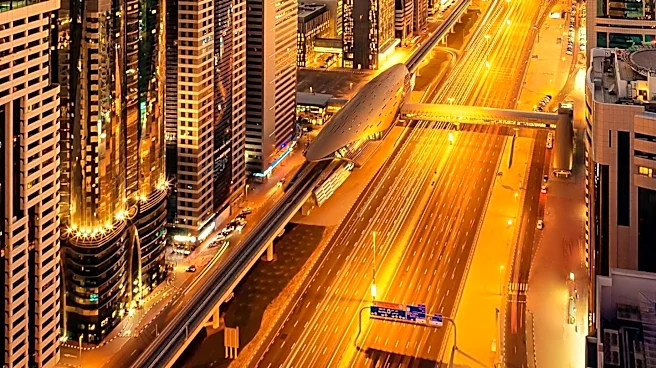
Dubai, one of the seven emirates comprising the United Arab Emirates (UAE), is experiencing continuous rapid growth and development, solidifying its position as a global financial center and major tourist destination. The city is characterized by its ambitious
projects, luxurious lifestyle, and a constant evolution of its skyline. Key attractions include the Burj Khalifa, recognized as the world's tallest building, and the Dubai Mall, one of the largest shopping and entertainment complexes globally. Dubai also offers a diverse range of experiences, from man-made islands and desert adventures to pristine beaches. The city is highly international, with approximately nine out of ten residents being expatriates, leading to widespread English usage and a diverse culinary scene. Arabic is the official language, and the local currency, the dirham, is pegged to the US dollar. The city's infrastructure is highly developed, making navigation efficient for both residents and visitors.
Why It's Important?
Dubai's sustained growth and appeal as a global hub have significant implications for international business and tourism. Its strategic location and advanced infrastructure attract substantial foreign investment and a diverse workforce, contributing to its economic resilience. The city's focus on luxury tourism and large-scale attractions, such as the Burj Khalifa and the Dubai Mall, drives a robust hospitality sector and creates numerous employment opportunities. The high proportion of international residents fosters a multicultural environment, making it an attractive destination for global talent and businesses seeking a diverse market. The pegging of the dirham to the US dollar provides currency stability, which is beneficial for international trade and investment. Furthermore, Dubai's commitment to continuous development and innovation sets a benchmark for urban planning and economic diversification in the region and globally.
What's Next?
Dubai is expected to continue its trajectory of development, with ongoing projects and initiatives aimed at enhancing its appeal as a tourist and business destination. Future plans likely include further expansion of its infrastructure, the introduction of new attractions, and continued efforts to diversify its economy beyond oil. The city's tourism sector is anticipated to remain a key driver of growth, with a focus on attracting a wider range of visitors through diverse offerings, from luxury experiences to cultural immersion. Efforts to maintain its status as a safe and accessible city for international travelers and residents will also be a priority. Additionally, Dubai's role as a regional trade and logistics hub is expected to strengthen, leveraging its advanced port and airport facilities to facilitate global commerce.
Beyond the Headlines
Beyond its visible economic and infrastructural achievements, Dubai's rapid transformation presents deeper implications regarding cultural integration and sustainable development. The city's high expatriate population creates a unique social fabric where various cultures coexist, influencing its culinary, artistic, and social landscapes. This blend of global influences with local traditions offers a dynamic environment, though it also poses challenges in maintaining cultural identity amidst rapid globalization. Furthermore, Dubai's ambitious development projects in a desert environment raise questions about environmental sustainability and resource management. The city's approach to these challenges, including its investments in renewable energy and water conservation, could serve as a model or a cautionary tale for other rapidly developing urban centers worldwide. The balance between economic growth, cultural preservation, and environmental stewardship will be a critical aspect of Dubai's long-term evolution.