




What's Happening?
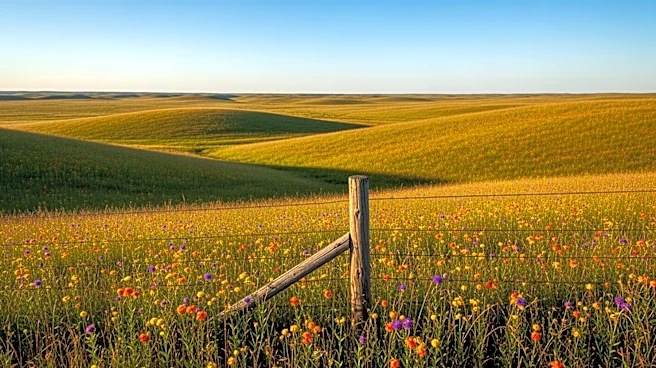
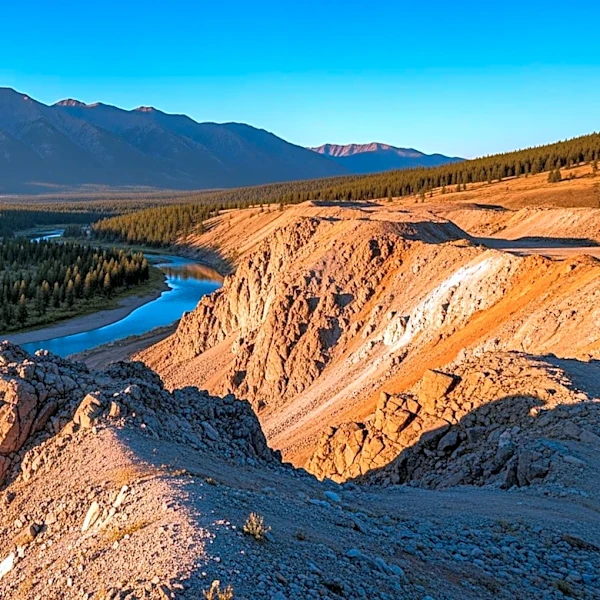
Carrizo Plain National Monument, located in California, is a vast area managed by the Bureau of Land Management, offering a unique springtime experience with its blooming wildflowers and diverse wildlife. The monument, which spans 38 miles long and 17
miles wide, is situated along the San Andreas fault and is known for its rugged terrain and lack of modern amenities, making it a less crowded destination. Visitors can explore the area’s natural beauty, including the 3,000-acre Soda Lake and various endangered species like the giant kangaroo rat and California condors. The monument is celebrating its 25th anniversary, having been established from former ranch land under President Clinton. The area is particularly popular in spring due to its wildflower blooms, which attract hundreds of visitors daily.
Why It's Important?
The Carrizo Plain National Monument represents a significant conservation effort, preserving a unique ecosystem and offering a refuge for endangered species. It highlights the importance of public lands in providing recreational opportunities and preserving biodiversity. The monument's remote location and lack of amenities make it a prime example of how public lands can offer a more immersive and less commercialized experience, appealing to those seeking to escape urban life. This aligns with the growing trend of slow travel, where individuals seek deeper connections with nature and local environments. The monument's management by the Bureau of Land Management also underscores the role of federal agencies in maintaining and protecting these vital natural resources.
What's Next?
As the monument continues to attract visitors, there may be increased efforts to balance conservation with tourism. The Bureau of Land Management might implement strategies to manage visitor impact, ensuring the preservation of the area's natural beauty and wildlife. Additionally, the ongoing celebration of the monument's anniversary could lead to increased awareness and appreciation of public lands, potentially influencing future conservation policies. The area's susceptibility to climate change and seismic activity due to its location on the San Andreas fault may also prompt further scientific research and monitoring efforts.