








What's Happening?
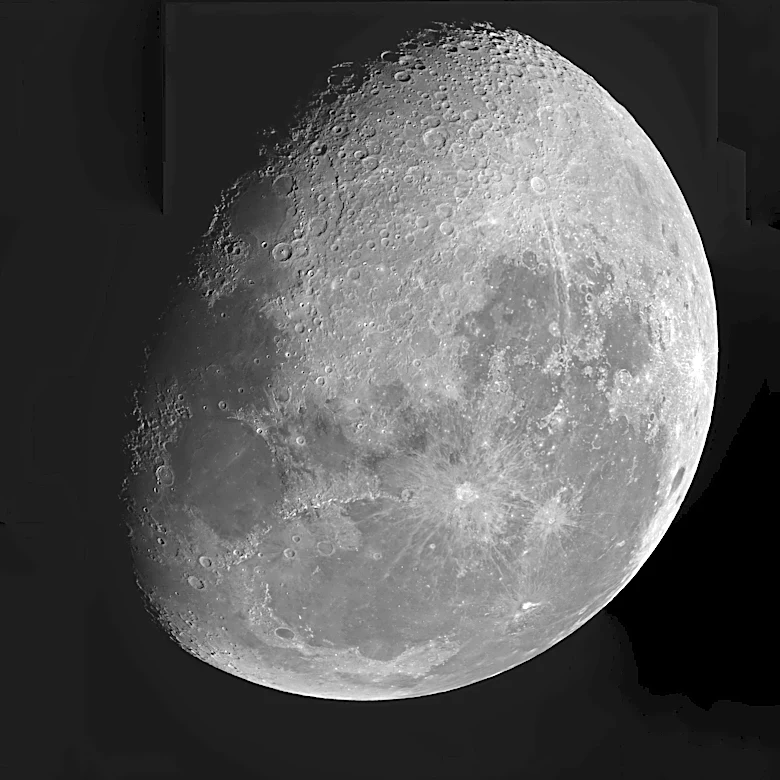
The Artemis II mission, launched on April 1, 2026, is currently on its trajectory to orbit the moon. The mission includes NASA astronauts Reid Wiseman, Victor Glover, Christina Hammock Koch, and Canadian Space Agency's Jeremy Hansen. As of April 5, the Orion
spacecraft is approximately 206,482 miles from Earth and traveling at a velocity of 1,771 mph, with about 75,000 miles remaining to reach the moon. The crew is preparing for a lunar flyby scheduled for April 6, which will allow them to view the far side of the moon. The mission is a 10-day flight designed to take the crew farther into space than any previous human mission, although it will not land on the moon. The Artemis II tracker, known as the Artemis Real-time Orbit Website (AROW), provides real-time updates on the spacecraft's position and velocity.
Why It's Important?
The Artemis II mission is a significant step in NASA's Artemis program, which aims to return humans to the moon and eventually establish a sustainable presence there. This mission serves as a precursor to future lunar landings, including the planned Artemis IV mission in 2028. By testing the Orion spacecraft and its systems, NASA is gathering crucial data to ensure the safety and success of subsequent missions. The involvement of international partners, such as the Canadian Space Agency, highlights the collaborative nature of modern space exploration. The mission's success could bolster public and governmental support for continued investment in space exploration, potentially leading to advancements in technology and international cooperation.
What's Next?
Following the lunar flyby on April 6, the Artemis II crew will continue their mission with planned testing and trajectory corrections. The mission management team will monitor the spacecraft's systems and make necessary adjustments to ensure a safe return to Earth. The data collected during this mission will inform the design and planning of future Artemis missions, including the Artemis III mission, which aims to land astronauts on the moon. The success of Artemis II could influence the timeline and funding for these future missions, as well as inspire further international collaboration in space exploration.