


What's Happening?
Utah Senate President Stuart Adams has sent letters through his lawyer to four individuals, including Utah State Auditor Tina Cannon, demanding retractions for public statements and threatening lawsuits if these retractions are not made. Adams stated,
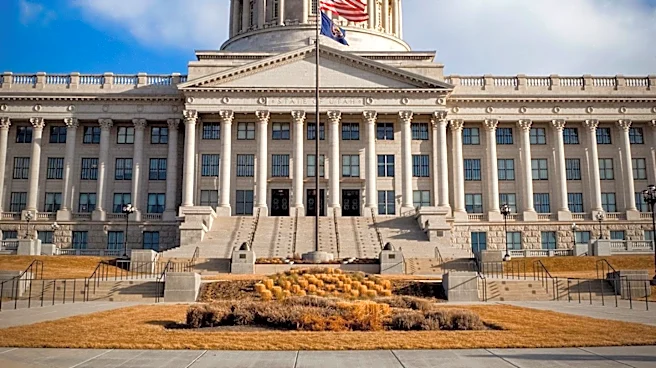
“I want the lies to stop,” asserting that false statements have been spread about him with a reckless disregard for the truth, intended to damage his reputation and harm his family. The letters do not focus on his recent re-election loss, which was a political stunner following his support for the Stratos Data Center in Box Elder County. Instead, the demands for retraction address allegations concerning his purported 'control' of the Utah Capitol Preservation Board, legislation that allegedly 'benefitted' a family member, 'years of campaign finance violations,' and 'reprimanding' legislators. Auditor Cannon and Democratic consultant Gabi Finlayson, who also received a letter, have publicly stated their refusal to be intimidated.
Why It's Important?
This development highlights a significant legal and political confrontation involving a high-ranking state official in Utah. The threat of lawsuits against critics, including a state auditor, raises questions about freedom of speech, political discourse, and accountability in public office. The allegations against Senate President Adams, ranging from campaign finance violations to using his position for personal or family benefit, touch upon core issues of governmental ethics and transparency. The refusal of the recipients to retract their statements, with Auditor Cannon even welcoming a lawsuit to put Adams under oath, indicates a potential for prolonged legal battles and increased public scrutiny. This situation could set a precedent for how public officials respond to criticism and how such disputes are resolved within the state's political landscape, potentially impacting future political campaigns and the willingness of individuals to speak out on public matters.
What's Next?
The immediate next steps involve the recipients of the letters deciding whether to issue retractions or prepare for potential legal action. Given the public statements from Tina Cannon and Gabi Finlayson, it appears unlikely that retractions will be made, suggesting that lawsuits from Senate President Adams could follow. If lawsuits are filed, they would likely lead to discovery processes, including depositions, where Adams and his critics would be questioned under oath. This could bring more details of the alleged false statements and Adams's actions into the public domain. The outcome of any legal proceedings could have significant implications for the individuals involved, potentially affecting their political careers and public standing. Furthermore, this situation may prompt broader discussions within Utah's political circles regarding ethical conduct, campaign finance regulations, and the boundaries of political criticism.
Beyond the Headlines
This dispute transcends a simple legal threat; it delves into the fundamental tension between a public official's right to protect their reputation and citizens' rights to free speech and to hold their leaders accountable. The allegations against Senate President Adams, particularly those concerning campaign finance and legislative actions benefiting family members, tap into public concerns about corruption and conflicts of interest in politics. The willingness of critics to stand firm against legal threats could embolden others to challenge powerful figures, potentially fostering a more transparent political environment. Conversely, if Adams's legal actions are successful, it could have a chilling effect on public criticism of elected officials. This case will likely be watched closely as it could redefine the parameters of political debate and accountability in Utah, influencing how future political disagreements are aired and resolved.