



What's Happening?
A 'coalition of the willing,' formed by 57 countries frustrated with the slow pace of UN climate talks, is working to accelerate the transition away from fossil fuels outside the COP framework. This group, which held its first summit in Santa Marta, Colombia,
in April, aims to develop national roadmaps and restructure financial and trade systems to reduce reliance on polluting energy sources. Co-hosted by Colombia and the Netherlands, the Santa Marta conference included countries like Canada, Norway, Brazil, Nigeria, Mexico, Australia, Germany, and climate-vulnerable states such as Vanuatu. The initiative seeks to break down the transition into 'smaller actionable solutions' and help countries make practical progress, particularly for developing nations dependent on fossil fuel exports. Brazil has also presented its own global roadmap for countries to move away from fossil fuels on the sidelines of this year's UN climate conference in Antalya.
Why It's Important?
The formation of the Santa Marta group signifies a growing impatience among some nations with the consensus-based approach of UN climate summits, which have often resulted in watered-down agreements on fossil fuel phase-out. This 'coalition of the willing' aims to create momentum and demonstrate that a transition away from fossil fuels is feasible and beneficial, even for countries heavily reliant on them. By developing national roadmaps and sharing expertise, the group is building a 'cadre of knowledge' on how to implement such a complex economic transformation. This initiative is particularly important for the U.S. as it highlights a global trend towards decarbonization that could influence international trade, investment, and technological development. The success of this coalition could pressure other nations, including the U.S., to accelerate their own fossil fuel transition plans, impacting energy policies, industrial strategies, and the competitiveness of various sectors.
What's Next?
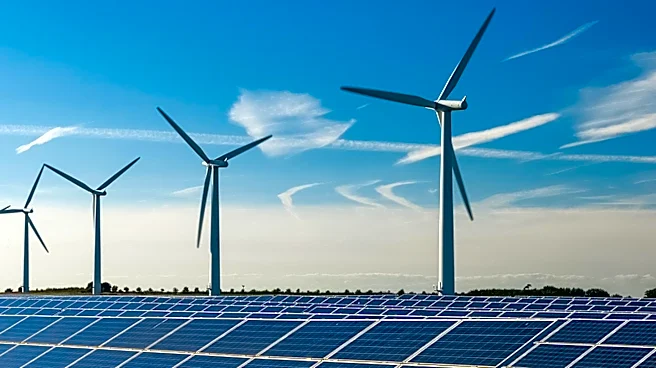
While it's not yet clear how much influence the Santa Marta coalition will have on the immediate outcomes of COP31, its long-term impact is anticipated to be significant. The group aims to bring more nations on board by demonstrating the feasibility and benefits of a fossil fuel transition. A second TAFF (Transition Away From Fossil Fuels) summit is planned for Tuvalu next year, where more countries are expected to announce national plans. Brazil's recently published global roadmap, which offers a toolkit for countries to shift from fossil fuels to renewable energy with a phased transition between 2028 and 2033, could also generate further momentum. The focus on electrification, with Turkey pushing for 35% of final energy consumption from electricity by 2035, indicates a broader trend towards cleaner energy sources, though the origin of this electricity (clean or otherwise) remains a point of discussion.
Beyond the Headlines
The Santa Marta group's approach represents a shift towards practical, country-specific solutions for decarbonization, moving beyond broad declarations to actionable strategies. This focus on 'smaller actionable solutions' and tailored roadmaps acknowledges the diverse circumstances and challenges faced by different nations in transitioning away from fossil fuels. The initiative also highlights the importance of international collaboration and knowledge sharing in overcoming the technical, financial, and social hurdles of such a transition. The emphasis on restructuring financial and trade systems to support this shift points to a deeper transformation of global economic structures. This movement could lead to the development of new green industries, job creation, and enhanced energy security for participating nations, while also raising questions about the equity and inclusivity of such coalitions, particularly for countries with limited resources or high dependence on fossil fuel exports.