


What's Happening?
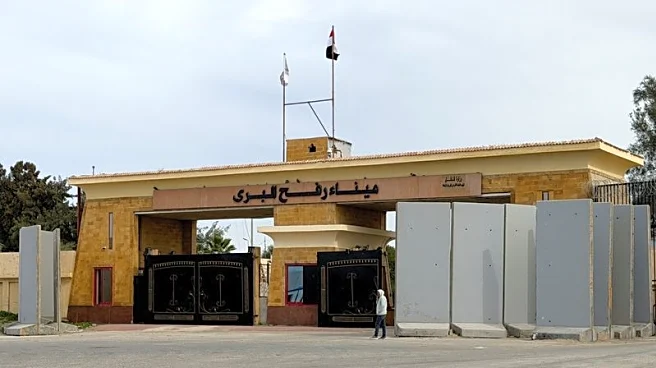
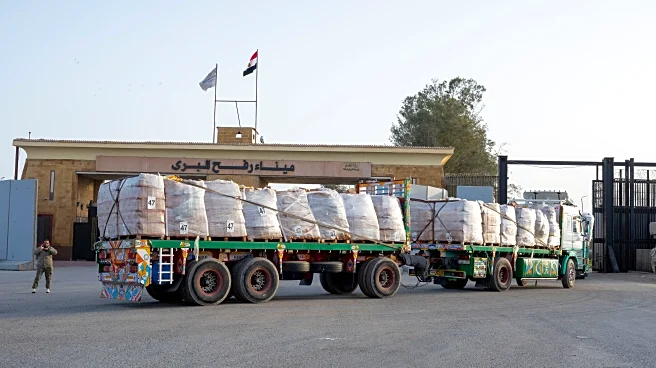
Rimas Abu Lehia, a 15-year-old girl from Gaza, is in urgent need of knee replacement surgery after being injured by a bullet during a food aid distribution incident. Her ability to receive the necessary medical treatment hinges on the reopening of the Rafah
border crossing between Gaza and Egypt. The crossing, which has been closed for extended periods due to conflict, is set to open under a ceasefire agreement between Israel and Hamas. However, the limited capacity for patient evacuations means it could take a significant amount of time to address the backlog of medical cases in Gaza, where the healthcare system has been severely impacted by ongoing hostilities.
Why It's Important?
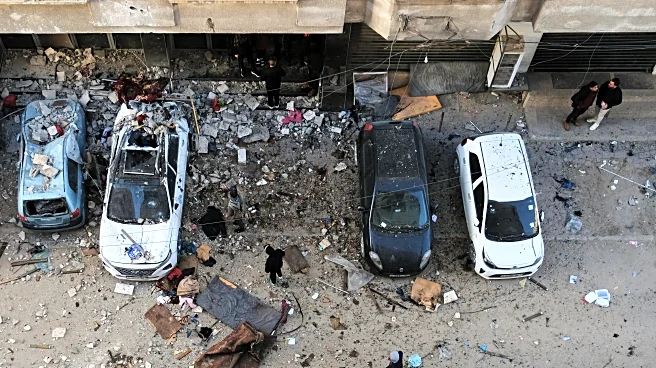
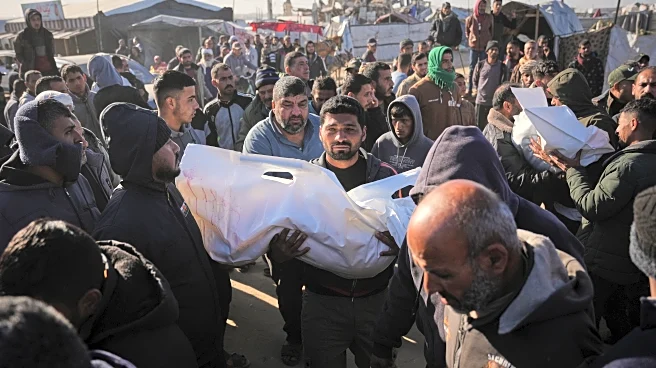
The situation highlights the dire state of healthcare in Gaza, exacerbated by prolonged conflict and restricted access to medical facilities. The reopening of the Rafah crossing is crucial for thousands of patients who require urgent medical attention unavailable in Gaza. This development underscores the broader humanitarian crisis in the region, where political and military tensions continue to impede access to essential services. The international community's response and the ability of local authorities to manage the crossing's operations will significantly impact the health outcomes of many Palestinians.
What's Next?
The reopening of the Rafah crossing is expected to allow a limited number of patients to seek treatment abroad, but the process will be slow due to logistical and political challenges. The Israeli government's restrictions on patient movement and the reluctance of some countries to accept evacuees without guarantees of their return complicate the situation. Human rights groups are advocating for increased access and expedited processes to address the urgent medical needs in Gaza. The outcome of these efforts will be critical in determining the future health and well-being of affected individuals.