






What's Happening?
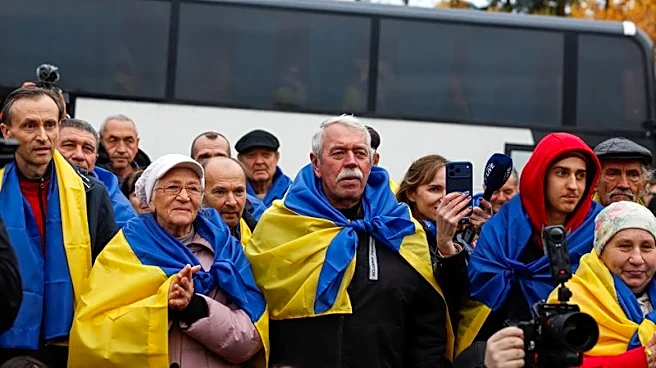
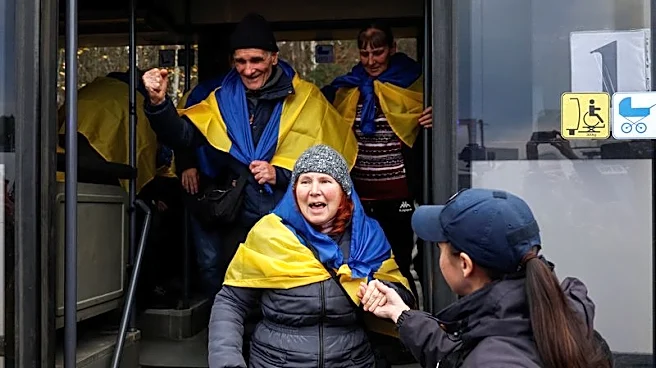
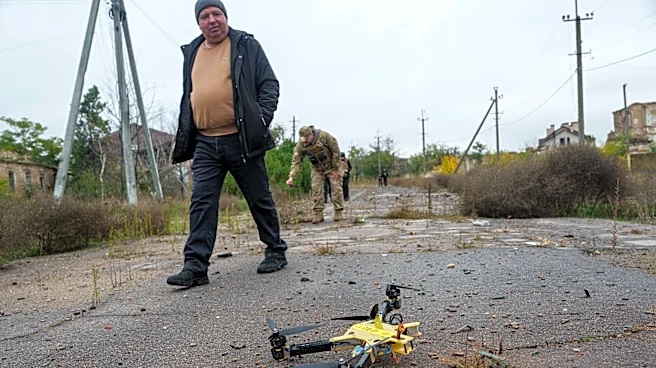
Melania Trump is scheduled to host Ukrainian and Russian representatives in Washington to discuss the ceasefire in Oleshky, a city in the Kherson region. The talks aim to shape further arrangements following a truce that facilitated aid delivery and evacuations.
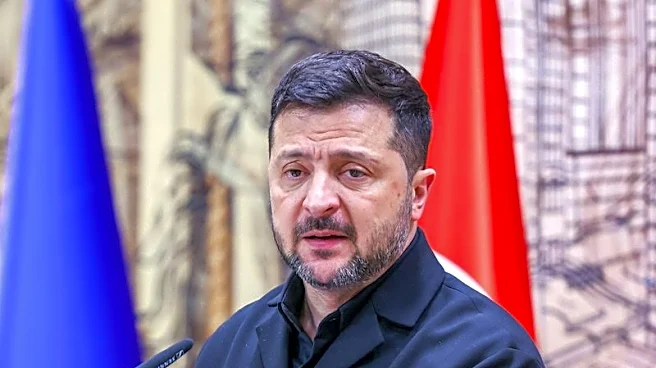
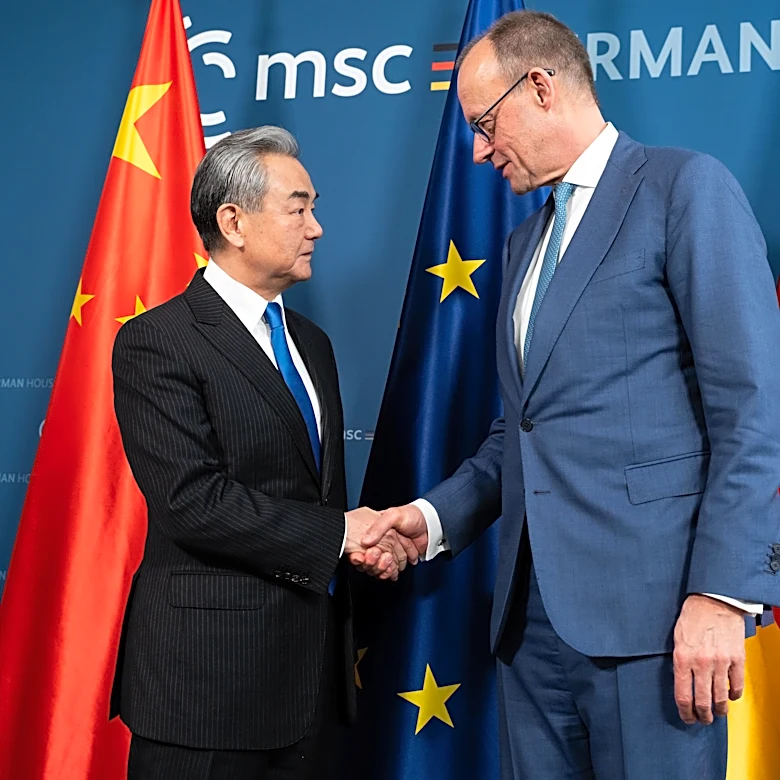
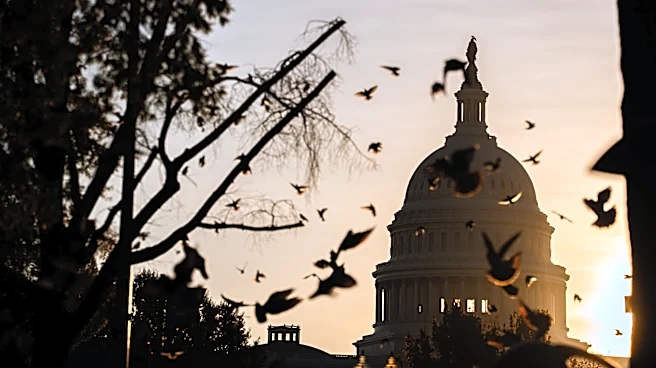
Ukrainian envoys, David Arakhamia, head of the Servant of the People parliamentary faction, and Dmytro Lubinets, the Ukrainian Parliament Commissioner for Human Rights, are expected to attend. Russian representatives, including Vladimir Putin’s special envoy Kirill Dmitriev and Russian ombudswoman Yana Lantratova, are also anticipated to join. Melania Trump is expected to make a statement regarding the ceasefire on Thursday, November 5, at 11:00 a.m. Eastern Time, with the event taking place near the White House. This meeting follows previous diplomatic contacts involving Melania Trump concerning the situation in Oleshky, which focused on a local ceasefire and humanitarian efforts.
Why It's Important?
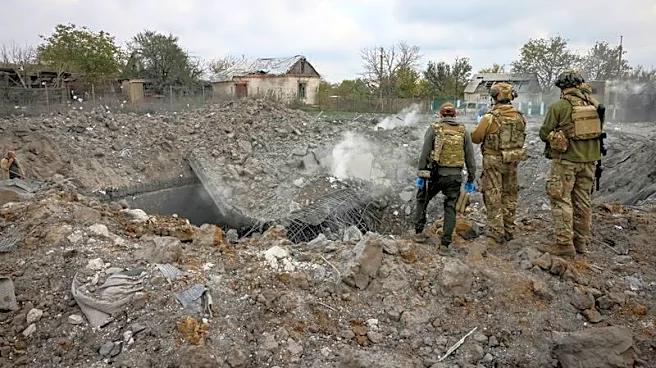
This high-level meeting in Washington underscores the ongoing international efforts to address the humanitarian crisis in Oleshky and potentially establish a more durable ceasefire. The involvement of Melania Trump, a prominent U.S. figure, highlights the U.S.'s continued engagement in facilitating dialogue between Ukraine and Russia, even in localized conflicts. A successful outcome could lead to expanded humanitarian corridors, further evacuations, and a reduction in hostilities, directly benefiting the civilian population that has endured severe conditions, including famine and lack of essential services. For the U.S., facilitating such talks reinforces its role in international diplomacy and humanitarian aid. The discussions could also set a precedent for future localized ceasefires and humanitarian operations in other conflict zones, demonstrating the potential for diplomatic engagement to alleviate suffering even amidst broader geopolitical tensions.
What's Next?
Melania Trump is scheduled to make a statement on the ceasefire on November 5, which will likely provide details on the outcomes or next steps from the discussions. The primary goal of these talks is to establish further agreements for a sustained ceasefire in Oleshky and ensure the continued delivery of humanitarian aid and safe evacuation routes. The involvement of high-ranking officials from both Ukraine and Russia, alongside international bodies like the International Committee of the Red Cross, the OSCE, the Vatican, and the UN, suggests a concerted effort to find a resolution. Future arrangements could include mechanisms for monitoring the ceasefire, ensuring the safety of humanitarian convoys, and addressing the long-term needs of the affected population. The success of these localized talks could also influence broader diplomatic efforts to resolve the wider conflict.
Beyond the Headlines
The engagement of Melania Trump in these diplomatic efforts, particularly in a humanitarian context, offers a unique dimension to U.S. foreign policy. While not directly involved in official government negotiations, her participation can draw significant public attention and potentially lend a different kind of influence to the discussions. This approach highlights the multifaceted nature of international relations, where various actors, including those outside traditional diplomatic channels, can play a role in addressing global crises. The focus on a localized ceasefire in Oleshky also underscores the strategy of de-escalation through targeted humanitarian truces, which can serve as building blocks for broader peace efforts. However, the challenge remains in translating these localized agreements into sustainable peace, given the complex geopolitical dynamics and underlying causes of the conflict.