





What's Happening?
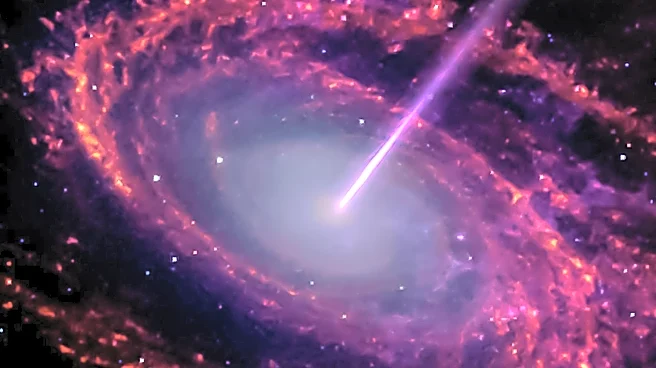
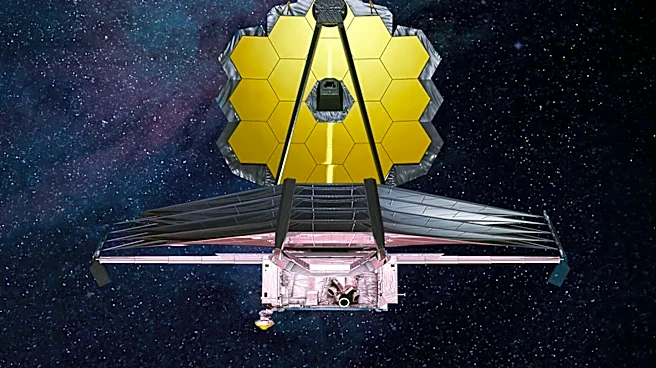
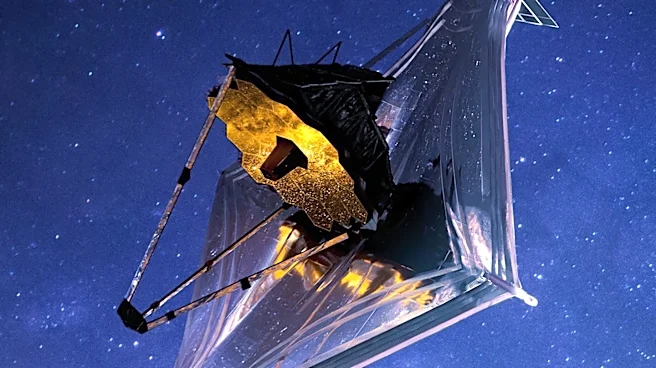
The James Webb Space Telescope (JWST) has captured new images of the galaxy Centaurus A, located 11 million light-years from Earth. These images, taken with the Mid-Infrared Instrument (MIRI) and Near-Infrared Camera (NIRCam), reveal a 'warped' band of light and stars
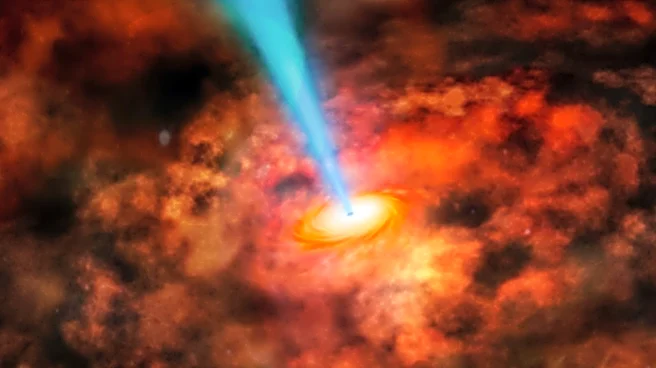
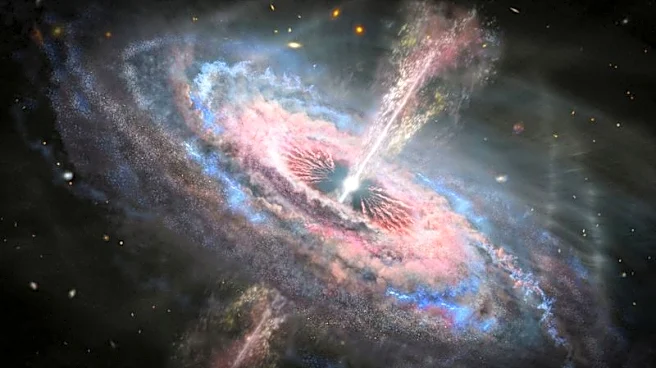
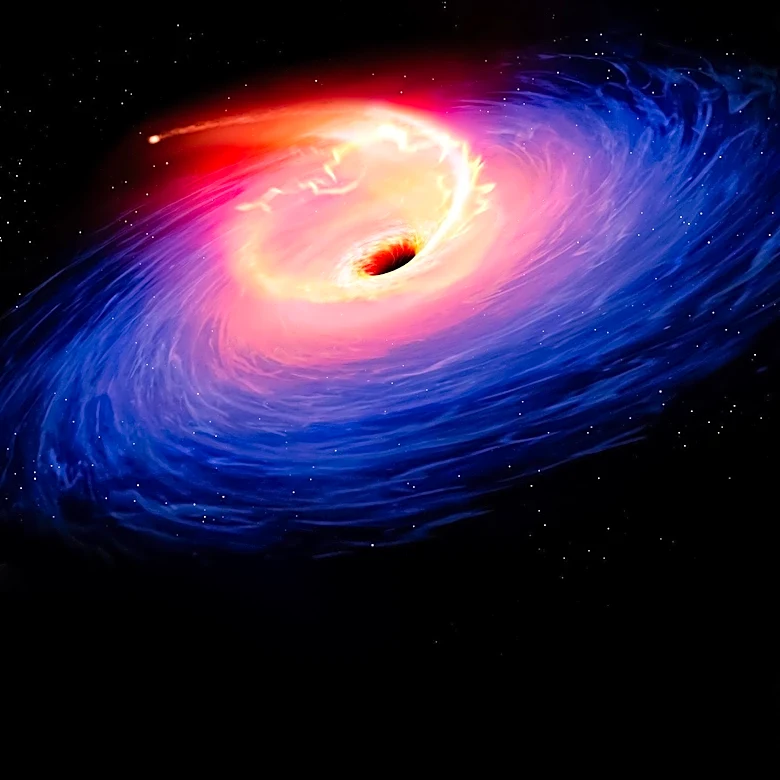
across the galaxy's center, possibly resulting from a cosmic collision billions of years ago. The European Space Agency (ESA) astronomers are studying these formations to understand the influence of the galaxy's central black hole on star formation and cosmic material. Despite the detailed images, the complex dynamics of the galaxy continue to puzzle researchers.
Why It's Important?
The findings from the James Webb Space Telescope provide significant insights into the structure and history of Centaurus A, offering a vivid record of cosmic history. This research could enhance understanding of galactic evolution and the role of black holes in shaping galaxies. The ability to observe such distant galaxies in unprecedented detail may lead to breakthroughs in astrophysics, potentially influencing future space exploration and technology development. The study of these cosmic phenomena can also inspire technological advancements in imaging and data analysis.