




What's Happening?
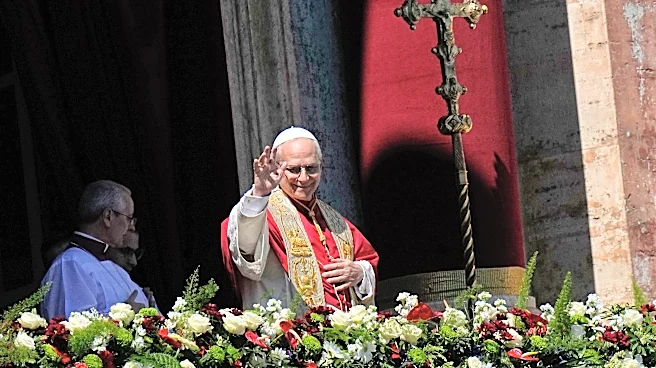
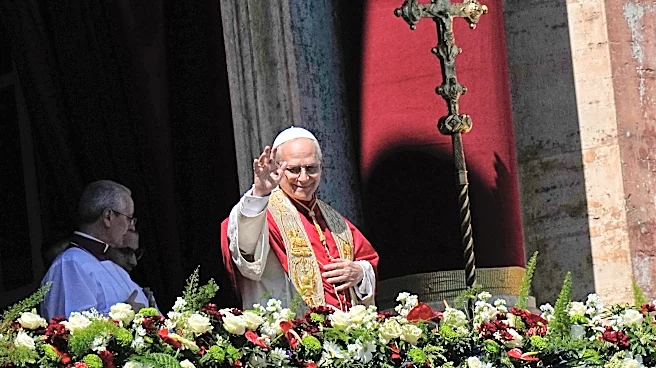
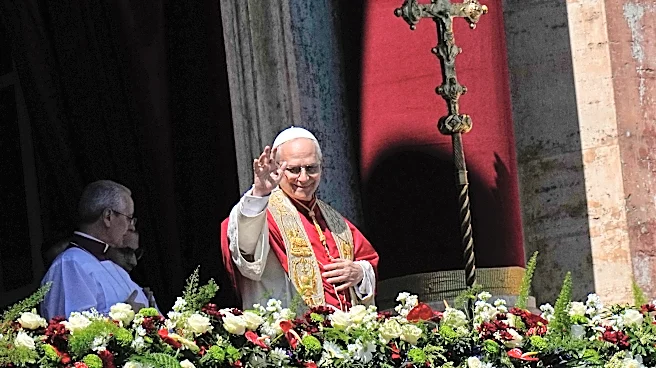
Pope Leo XIV celebrated his first Easter as pontiff, calling for world leaders to lay down their arms and seek dialogue for peace. Speaking from St. Peter's Basilica, he emphasized the nonviolent message of Easter and criticized leaders who use religious
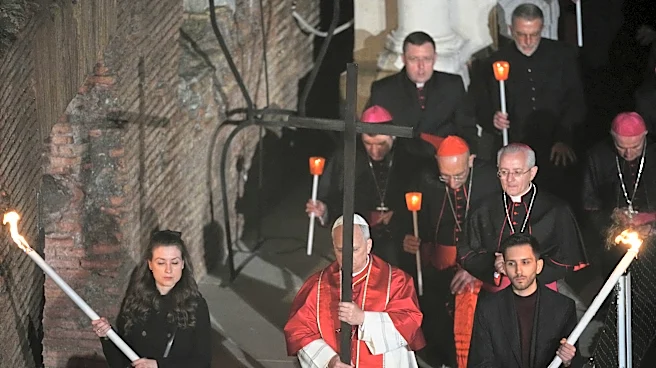
rhetoric to justify war. The pope's message did not list specific conflicts, focusing instead on a general call for peace. He plans to hold a prayer vigil for peace and has offered the Vatican's help in providing humanitarian aid in conflict zones.
Why It's Important?
Pope Leo XIV's call for peace is significant in the context of ongoing global conflicts, including the Iran war. His message underscores the role of religious leaders in advocating for peace and dialogue, potentially influencing political leaders and public opinion. The pope's emphasis on nonviolence and dialogue aligns with broader efforts to de-escalate conflicts and promote humanitarian solutions. His appeal may resonate with those seeking alternatives to military action and could encourage diplomatic efforts to resolve international disputes.
What's Next?
Pope Leo XIV plans to lead a prayer vigil for peace on April 11, signaling continued advocacy for nonviolent solutions. The Vatican may play a role in diplomatic efforts, offering humanitarian aid and facilitating dialogue between conflicting parties. The pope's ongoing criticism of global conflicts suggests he will continue to use his platform to advocate for peace and influence international relations. Stakeholders, including political leaders and civil society groups, may respond to his calls for dialogue and peaceful resolutions.
Beyond the Headlines
Pope Leo XIV's approach to peace advocacy reflects a blend of traditional and modern papal diplomacy. His emphasis on nonviolence and dialogue may influence the Catholic Church's role in global peace efforts, potentially shaping its involvement in humanitarian aid and conflict resolution. The pope's message also highlights ethical considerations in warfare, urging leaders to prioritize human dignity and the common good over power and domination. This approach may inspire broader discussions on the moral implications of war and the responsibilities of global leaders.