





What's Happening?
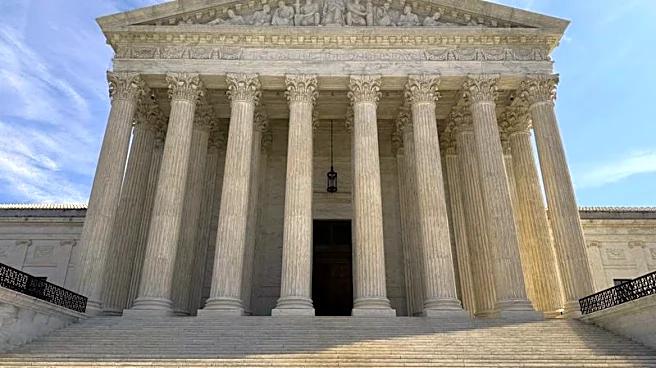
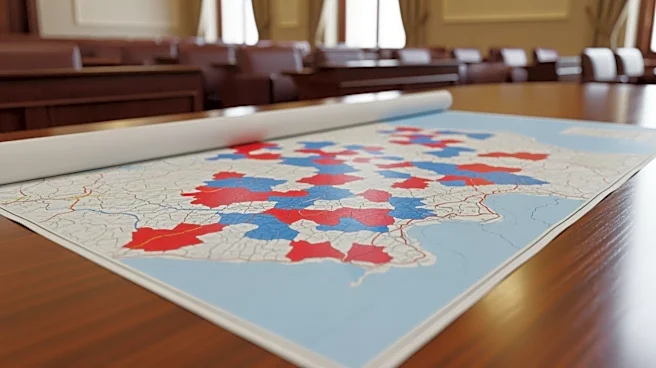
A federal court has blocked Alabama's attempt to implement a congressional map that eliminates a majority-Black district, citing intentional racial discrimination. This decision comes after Alabama sought to exploit the Supreme Court's Callais ruling,
which was perceived as weakening protections against racial gerrymandering. The court's ruling highlights ongoing legal battles over voting rights and districting, as Alabama has appealed to the Supreme Court for a final decision. The case is part of a broader national debate on gerrymandering and voting rights, with implications for future elections.
Why It's Important?
The court's decision is significant as it underscores the judiciary's role in upholding voting rights and preventing racial discrimination in electoral processes. The outcome of Alabama's appeal to the Supreme Court could set a precedent for how racial gerrymandering cases are handled in the future, potentially affecting the political landscape and representation of minority communities. This case also reflects broader tensions between state and federal authorities over voting rights, with potential impacts on voter turnout and election outcomes.
What's Next?
Alabama's appeal to the Supreme Court will be closely watched as it could determine the extent to which racial gerrymandering is permissible under current legal standards. The decision may influence other states considering similar districting strategies. Additionally, the ruling could prompt legislative action or further legal challenges aimed at protecting minority voting rights. Stakeholders, including civil rights organizations and political parties, are likely to engage in advocacy and litigation to shape the outcome.