







What's Happening?
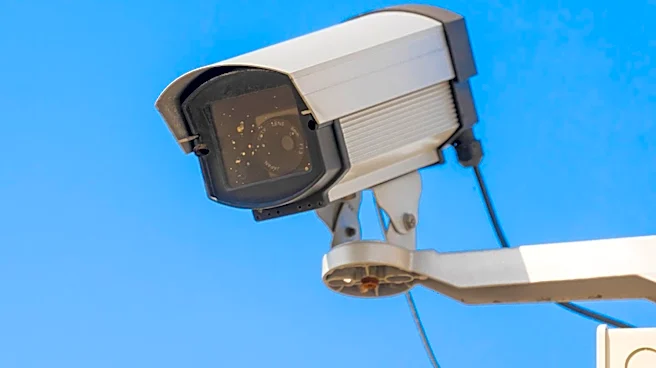
The trend of taking 'surveillance selfies' has emerged as people use security cameras, such as doorbell cameras, to capture images of themselves. This practice has gained popularity with individuals like Alexa Chung and others who creatively use these
cameras for self-expression. However, the trend has sparked discussions about privacy and surveillance, as these cameras are often linked to larger networks that can be accessed by private companies and law enforcement. Judith Donath, a fellow at Harvard University, highlights the potential risks of this trend, noting that it contributes to a culture of surveillance compliance. The use of these cameras for selfies is seen as a way to engage with technology in a seemingly harmless manner, but it also raises concerns about the data being collected and stored in vast databases.
Why It's Important?
The rise of surveillance selfies underscores a broader societal issue regarding privacy and the normalization of constant surveillance. As more households adopt video-enabled doorbells and other smart cameras, the potential for misuse of personal data increases. This trend reflects a growing acceptance of being watched, which could lead to diminished privacy rights and increased surveillance by both private companies and government entities. The controversy surrounding Ring's Super Bowl advertisement and the backlash against Meta's AI-enabled smart glasses further illustrate the public's unease with surveillance technologies. The implications for civil liberties and privacy are significant, as these technologies become more integrated into daily life.
What's Next?
As the trend of surveillance selfies continues, there may be increased scrutiny and regulation of surveillance technologies. Lawmakers and privacy advocates could push for stricter controls on how data from these cameras is used and shared. Companies like Amazon, which owns Ring, may face pressure to enhance transparency and privacy protections for users. Additionally, public awareness campaigns could emerge to educate consumers about the potential risks associated with surveillance technologies. The ongoing debate over privacy rights in the digital age is likely to intensify as these technologies become more pervasive.
Beyond the Headlines
The cultural implications of surveillance selfies extend beyond privacy concerns. This trend reflects a shift in how individuals interact with technology, using it as a tool for self-expression while simultaneously navigating the complexities of a surveillance society. The normalization of being constantly watched could lead to changes in social behavior and attitudes towards privacy. Artists and technologists may continue to explore the intersection of surveillance and self-expression, challenging traditional notions of privacy and control. As society grapples with these issues, the conversation around surveillance and its impact on personal freedom will remain a critical topic.