What's Happening?
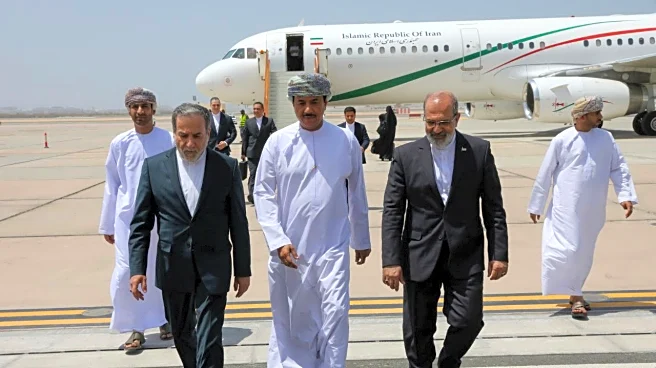
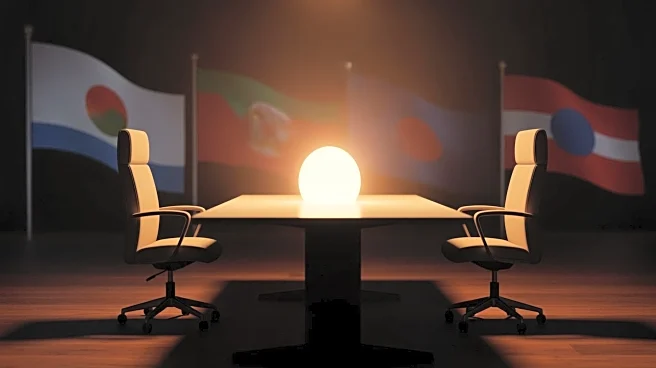
The United Nations Security Council convened an emergency session on January 15, 2026, at the request of the United States to address the violent crackdown on anti-government protests in Iran. The U.S. Ambassador to the UN, Mike Waltz, emphasized that
President Trump has declared all options are on the table to halt the violence against Iranian protesters. The session highlighted the international concern over the reported deaths and injuries of thousands of protesters. Iran's Deputy UN Ambassador accused the U.S. of inciting unrest, while Russia criticized the U.S. for interfering in Iran's internal affairs. UN Secretary-General Antonio Guterres called for maximum restraint to prevent further escalation.
Why It's Important?
The session underscores the heightened tensions between the U.S. and Iran, with potential implications for regional stability. The U.S. stance signals a possible shift towards more direct intervention, which could affect international relations and global oil markets. The situation also raises human rights concerns, as the international community watches how Iran handles the protests. The U.S. support for Iranian protesters could influence domestic and foreign policy, potentially leading to increased sanctions or diplomatic actions against Iran.
What's Next?
The international community will likely continue to monitor the situation closely, with potential diplomatic efforts to de-escalate tensions. The U.S. may consider further actions, including sanctions or military options, depending on Iran's response to the protests. The UN may also push for independent investigations into the reported human rights abuses. The outcome of these protests could impact Iran's internal politics and its relations with other countries.