







What's Happening?
UNESCO's Research, Governance and Diplomacy (RGD) Section is recruiting a consultant to assist in the four-yearly monitoring of the 2017 UNESCO Recommendation on Science and Scientific Researchers (RS|SR). The consultant will contribute to the creation
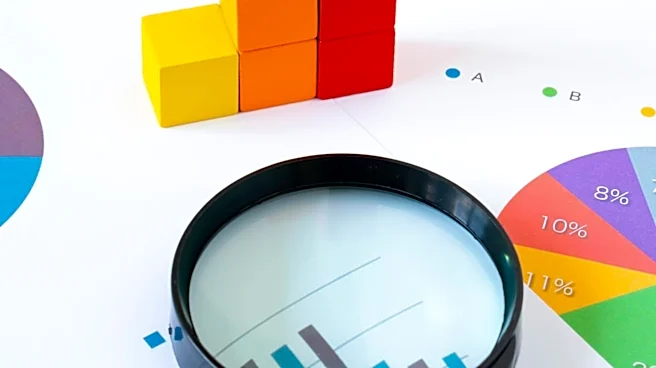
of an online dashboard that will draw on 62 national reports submitted in 2025 regarding the implementation of the RS|SR. This dashboard is intended to present country profiles, comparisons between countries and regions, data aggregation, and brief analyses highlighting trends and common challenges. It will also feature a global map and graphic presentations. The RS|SR dashboard will build upon the conceptual and technical approach used for the UNESCO Open Science Dashboard, launched in 2026, to ensure coherence across UNESCO's science monitoring frameworks and facilitate comparative analyses. The project aims to integrate this dashboard into a revamped UNESCO Global Observatory of Science, Technology and Innovation Policy Instruments (GO-SPIN) platform at a later stage, consolidating the ecosystem for monitoring and reporting on UNESCO's normative instruments in science.
Why It's Important?
This initiative is important for the United States and the global scientific community as it aims to strengthen science, technology, and innovation (STI) systems, science-policy interfaces, and international scientific cooperation. By monitoring the implementation of the RS|SR, UNESCO seeks to promote ethical governance of emerging technologies, open science, scientific literacy, the right to science, scientific freedom, and public engagement with science. The data and analyses derived from the dashboard will provide valuable insights into global scientific trends and challenges, which can inform policy-making and resource allocation in scientific research and development worldwide. For U.S. scientific institutions and researchers, understanding these global trends and the implementation of international recommendations can help in aligning research priorities, fostering international collaborations, and ensuring ethical practices in science. The consolidation of monitoring efforts through platforms like GO-SPIN could also enhance transparency and accountability in scientific endeavors globally.
What's Next?
The immediate next step is the recruitment of a consultant to develop the online dashboard for monitoring the 2017 UNESCO Recommendation on Science and Scientific Researchers. Following this, the dashboard will be created, incorporating data from 62 national reports submitted in 2025. The project anticipates the dashboard will eventually be integrated into a redesigned UNESCO Global Observatory of Science, Technology and Innovation Policy Instruments (GO-SPIN) platform. This integration will further consolidate UNESCO's monitoring and reporting mechanisms for normative instruments in the field of science. The ongoing monitoring and analysis of the RS|SR implementation will continue to inform UNESCO's efforts to strengthen global STI systems and promote ethical scientific practices.
Beyond the Headlines
The development of this dashboard and the ongoing monitoring of the RS|SR highlight a broader global effort to standardize and improve scientific practices and ethics. This initiative reflects a growing recognition of the importance of international cooperation in science, particularly in addressing global challenges. The emphasis on open science, scientific freedom, and public engagement underscores a shift towards more inclusive and accessible scientific ecosystems. For the U.S., participation in and adherence to such international recommendations can bolster its standing as a leader in scientific research and innovation, while also promoting democratic values within the scientific community. The ethical governance of emerging technologies, a key focus of the RGD section, is a critical area with significant long-term implications for society, requiring continuous international dialogue and collaboration to navigate complex ethical dilemmas.