






What's Happening?
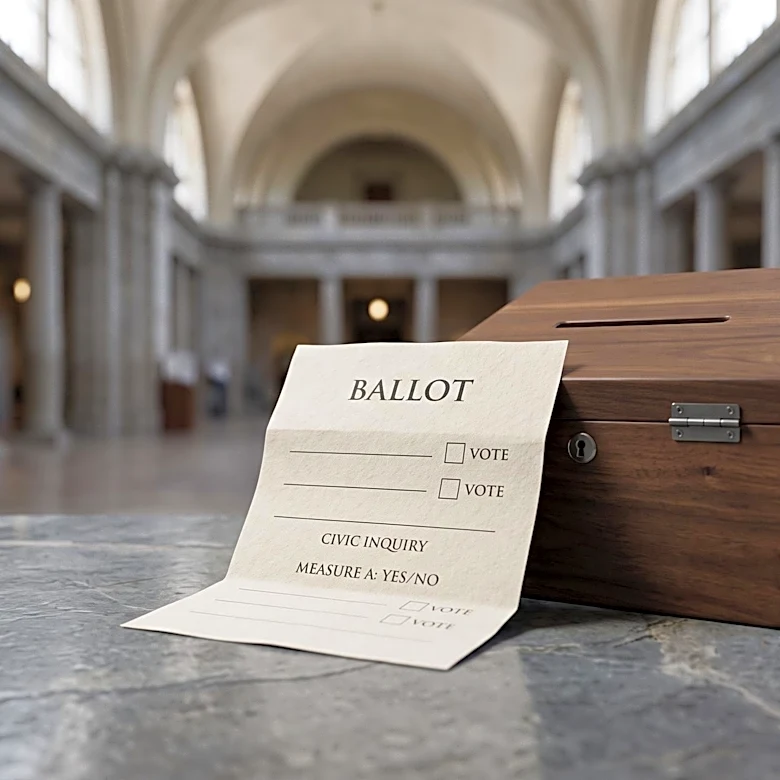
The 2026 midterm elections in Indiana resulted in significant changes within the state's judiciary, particularly at the trial court level. Out of 15 competitive judicial contests, four incumbent judges, three of whom were Republicans, lost their bids
for re-election. This outcome is attributed by some, including New Albany attorney Derrick Wilson, president of the Indiana State Bar Association, to a 'blue wave' that favored Democratic candidates across the ballot. Eight judges running as Democrats won their races, compared to six Republicans. Notable wins include Christina Gull, who will replace her retiring mother, Judge Fran Gull, in Allen County Superior Court No. 5, and Jerry Smith, deputy attorney general, who won in Morgan County Superior Court No. 1. Conversely, Judge Christopher Buckley of Porter County Superior Court No. 4, facing judicial misconduct charges, was defeated. Judges Matthew Sheehan and Scott Norrick, both previously sanctioned by the Judicial Qualifications Commission, were re-elected.
Why It's Important?
The shift in Indiana's judicial landscape highlights the increasing influence of partisan politics in what are traditionally considered non-political races. The defeat of four incumbent judges, particularly those facing misconduct allegations, could signal a public demand for greater accountability and integrity within the judiciary. The 'blue wave' effect suggests that voters are increasingly considering party affiliation even in judicial elections, potentially altering the composition and ideological balance of local courts. This trend could lead to changes in judicial philosophy and decision-making, impacting various legal areas from criminal justice to civil disputes. The re-election of some sanctioned judges, while others were defeated, indicates a complex and sometimes inconsistent public response to judicial conduct issues, underscoring the challenges voters face in making informed choices in these races.
What's Next?
The newly elected judges will assume their roles, potentially bringing new perspectives and approaches to the Indiana trial courts. The increased partisan influence observed in these elections may prompt further discussion and debate about the non-partisan nature of judicial races and whether reforms are needed to ensure judicial independence. Future judicial campaigns might see candidates taking more explicit stances on issues, moving away from the traditional low-key approach, as suggested by Derrick Wilson. The outcomes could also influence future judicial appointments and elections, with political parties potentially investing more resources into these races. The Indiana Commission on Judicial Qualifications may continue to play a crucial role in monitoring judicial conduct, and the public's response to their findings could further shape election results.
Beyond the Headlines
The growing politicization of judicial elections in Indiana reflects a broader national trend where judicial offices are increasingly viewed through a partisan lens. This development raises fundamental questions about the impartiality of the judiciary and the public's trust in the legal system. While party affiliation can offer voters a heuristic in complex races, it risks undermining the principle that judges should apply the law fairly and without political bias. The defeat of some judges facing misconduct charges, while others were retained, points to the nuanced and often localized factors influencing voter decisions, including public awareness of judicial ethics. This trend could lead to a more politically charged judiciary, potentially impacting the perceived legitimacy of court decisions and the long-term stability of the rule of law.