





What's Happening?
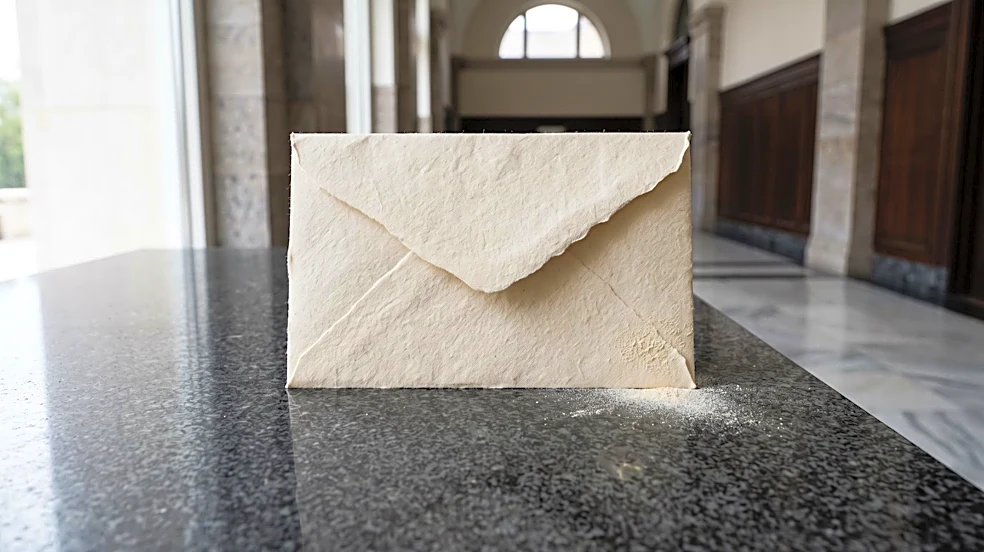
U.S. Rep. Mark Pocan's district office in Madison, Wisconsin, and Marquette University Law School have recently received suspicious mail containing an unidentified powdery substance. This incident follows a trend of similar mailings sent to election offices
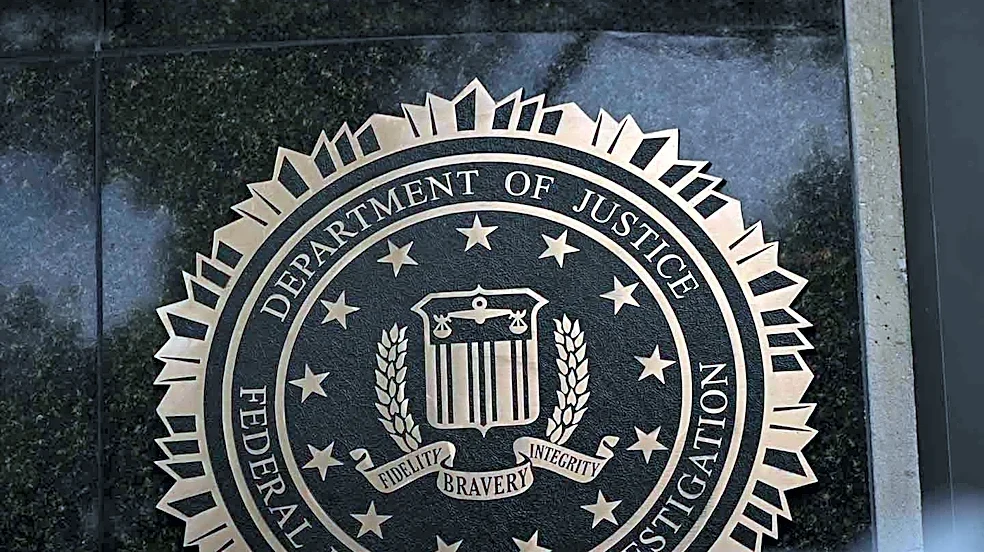
and congressional offices across the country. A hazmat crew from the Madison Fire Department responded to Pocan's office after a staffer identified the mail as matching previous suspicious packages and did not open it. The contents have been sent for testing. Similarly, Marquette University confirmed receiving a letter consistent with the trend, intended for its Law School Poll. The Marquette University Police Department and the U.S. Postal Service were notified, and the Milwaukee Fire Department's hazardous materials team assessed the situation, with all tests returning negative. These events occurred after U.S. Rep. Gwen Moore's Milwaukee office and the Wisconsin Elections Commission also reported receiving suspicious mail. The FBI and the U.S. Postal Inspection Service are actively investigating these nationwide incidents, which have also targeted officials in Oklahoma, Louisiana, Ohio, and several U.S. Senators.
Why It's Important?
The widespread receipt of suspicious mail by elected officials and election-related entities across the U.S. highlights a concerning trend of potential threats and disruptions to democratic processes. While substances found so far have been non-hazardous, these incidents strain law enforcement and emergency services, diverting resources that could be used elsewhere. The targeting of election offices, such as the Wisconsin Elections Commission and the Marquette University Law School Poll, suggests an attempt to intimidate or disrupt institutions critical to the integrity of elections. Such actions can erode public trust in the electoral system and create an environment of fear for public servants. The FBI's involvement underscores the seriousness of these coordinated mailings, indicating a potential federal crime aimed at undermining government functions and public safety. The increased security funding for members of Congress in the past year reflects a growing recognition of these threats.
What's Next?
Law enforcement agencies, including the FBI and the U.S. Postal Inspection Service, will continue their investigations to identify the individuals responsible for these suspicious mailings. The contents of the mail received by Rep. Pocan's office are undergoing testing, and the results will be crucial in determining the nature of the substance, though previous tests in similar incidents have been negative. House Democrats are scheduled to hold a security call where these mailings are expected to be a primary topic of discussion, potentially leading to enhanced security protocols for congressional offices. Election officials, like those in Wisconsin, will likely remain vigilant and continue to implement preparedness measures for such incidents as the election cycle progresses. The ongoing investigations aim to safeguard the public and secure elections, with a focus on preventing future occurrences and prosecuting those responsible.
Beyond the Headlines
These incidents extend beyond immediate security concerns, touching upon broader issues of political polarization and the erosion of civil discourse in the United States. The repeated targeting of public officials and election infrastructure with suspicious packages, even if non-hazardous, can be seen as a form of psychological warfare designed to instill fear and distrust. This pattern of behavior contributes to a climate where threats against public servants are increasingly normalized, as noted by Rep. Pocan regarding the rise in death threats he has received. The incidents also highlight the vulnerability of mail systems to malicious actors and the constant need for vigilance and robust security measures. The long-term implications could include a chilling effect on individuals considering public service and a further strain on the relationship between elected officials and the public, as security measures become more stringent and interactions more guarded.