




What's Happening?
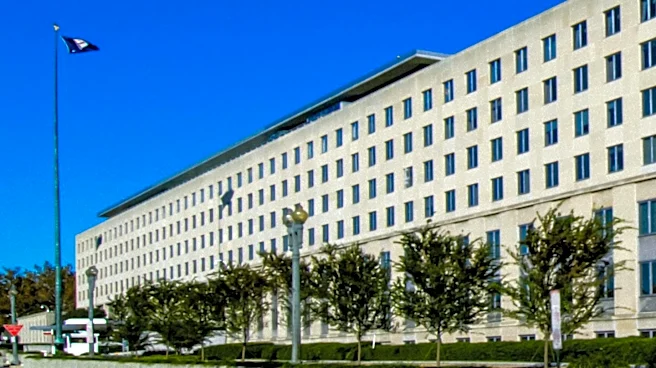
On September 18, 2026, the U.S. Department of State (DOS) expanded its enhanced screening procedures to include social media review for additional nonimmigrant visa categories, notably TN and TD visa applicants. This marks the fourth expansion of such
policies, which began in June 2025. Applicants for visas in categories such as A-3, C-3 (domestic workers), F, G-5, H-1B, H-3, H-4, I, J, K-1, K-2, K-3, M, Q, R-1, R-2, S, T, U, TN, and TD are now required to set their social media accounts to 'public' during the application process. The purpose of these enhanced vetting procedures is to assess potential threats to U.S. national security, interests, and safety, and to screen for antisemitic harassment and violence. Mexican citizens applying for TN and TD visas at U.S. embassies or consulates in Mexico will be affected, as Canadian citizens are visa-exempt. Applicants must truthfully disclose all social media accounts used within the past five years on Form DS-160 before their visa interview. Failure to comply or inconsistencies in disclosure could lead to significant delays or visa denials.
Why It's Important?
This expansion of social media screening has significant implications for individuals seeking to enter the U.S. under various nonimmigrant visa categories, particularly for professionals and students. The policy broadens the scope of personal information accessible to the U.S. government, potentially impacting privacy rights and increasing scrutiny on applicants' online activities. For Mexican citizens applying for TN and TD visas, this adds a new layer of complexity and potential for delays in their application process, which could affect cross-border trade and professional mobility under the U.S.-Mexico-Canada Agreement. The policy aims to bolster national security by identifying individuals who may pose a threat, but it also raises concerns about the criteria used for evaluation and the potential for subjective interpretations of online content. Businesses relying on foreign talent in these visa categories may face longer processing times and increased uncertainty, affecting their workforce planning and operations. The requirement for public social media profiles could also lead to self-censorship among applicants, altering how they engage online.
What's Next?
Applicants in the affected nonimmigrant visa categories must ensure strict compliance with the new social media disclosure requirements. This includes setting social media profiles to 'public' and accurately listing all accounts used in the last five years on Form DS-160. The Department of State has not yet specified the duration for which accounts must remain public, but current guidance suggests it is from the time of application until visa issuance. Individuals should anticipate potential delays in visa adjudication as a result of these enhanced vetting procedures. Legal and immigration professionals will likely advise applicants on how to navigate these new requirements to avoid complications. The policy may also prompt further discussions and debates regarding the balance between national security concerns and individual privacy rights, potentially leading to calls for clearer guidelines or legislative review in the future. Businesses and educational institutions that sponsor foreign nationals will need to adapt their processes and provide guidance to their applicants regarding these updated screening measures.
Beyond the Headlines
The expanded social media screening policy reflects a broader trend of increased digital surveillance in immigration processes, highlighting the growing importance of online presence in determining eligibility for entry into the U.S. This development could set a precedent for other countries to adopt similar measures, further integrating digital footprints into international travel and immigration assessments. Ethically, the policy raises questions about the definition of 'threat' based on online content and the potential for misinterpretation or bias in evaluating social media posts. Culturally, it may influence how individuals from various backgrounds engage with social media, particularly those aspiring to travel or immigrate to the U.S., leading to a more cautious and curated online persona. The long-term implications could include a shift in digital behavior among international communities, with a greater emphasis on maintaining a 'clean' online record. This policy also underscores the evolving nature of national security in the digital age, where an individual's online activities are increasingly viewed as indicators of their intentions and potential risks.