




What's Happening?
Dutch lawmaker Brigitte van den Berg, shadow rapporteur on the revised Critical Raw Materials Act in the European Parliament’s Committee on Industry, Research and Energy (ITRE), is advocating for the rapid establishment of the EU’s planned Critical Raw Materials Centre.
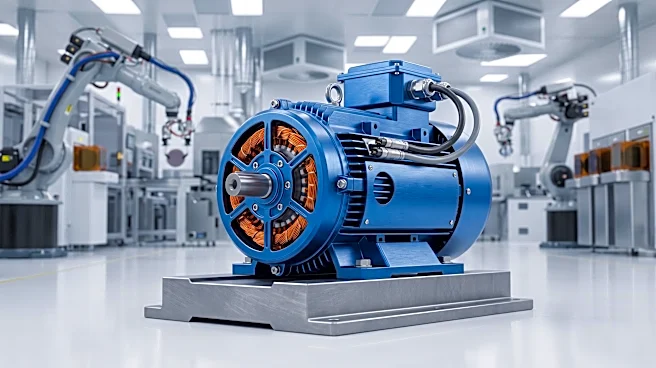
Van den Berg expressed concern over Europe's continued dependence on China for critical raw materials, particularly permanent magnets essential for car motors, wind turbines, and missile guidance. Despite a recent deal where Beijing agreed to fast-track export licenses for rare earths and permanent magnets to the EU, Van den Berg believes China still holds significant leverage. She proposes that the center should operate as an independent agency, bringing together industry, expertise, and national interests, with an aim to start operations by 2027 using existing resources and becoming a fully-fledged agency by 2028. The initiative seeks to strengthen Europe's strategic autonomy and reduce its vulnerability to supply chain disruptions.
Why It's Important?
The EU's reliance on external sources for critical raw materials, especially from China, poses significant economic and strategic risks. For the U.S., this situation highlights the broader global challenge of securing essential resources for advanced technologies and defense. Disruptions in the supply of materials like rare earths and permanent magnets can severely impact key industries, including automotive, renewable energy, and defense sectors, leading to increased production costs, delays, and potential national security vulnerabilities. The establishment of a centralized hub, as proposed by Van den Berg, could serve as a model for other nations or blocs seeking to enhance their supply chain resilience. It underscores the growing recognition that strategic autonomy in raw materials is crucial for economic competitiveness and geopolitical stability, influencing international trade policies and alliances.
What's Next?
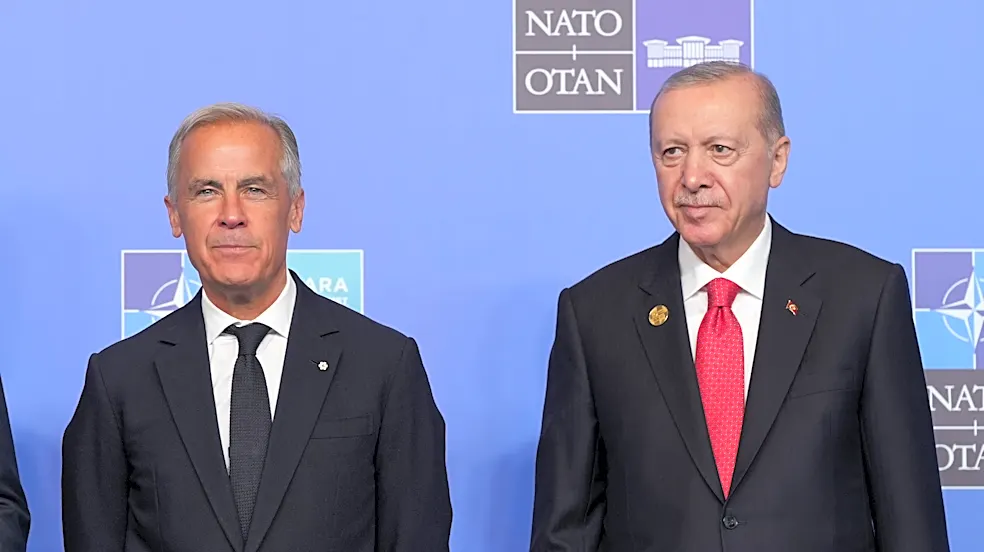
The European Parliament has called on the Commission to present a proposal for the Critical Raw Materials Centre by the end of the year. Key challenges include resolving governance issues, as all 27 member states seek representation on the board, and determining the center's location and the placement of strategic stockpiles. Van den Berg emphasizes that these discussions should not delay the center's operationalization. She also highlighted the potential for closer cooperation with Canada, noting Canadian Prime Minister Mark Carney's call for collaboration on critical minerals. An upcoming EU-Canada summit is expected to discuss this cooperation, particularly regarding Canada's significant deposits of critical minerals. The goal is to move towards a more integrated and resilient European supply chain, reducing dependency and fostering a level playing field in global trade.
Beyond the Headlines
The push for a Critical Raw Materials Centre reflects a broader shift in global economic policy, moving away from an idealized free trade model towards one that prioritizes strategic autonomy and industrial policy. This change is driven by the realization that geopolitical rivals can weaponize control over critical resources. The initiative also raises questions about the balance between national interests and collective European action, as member states vie for influence and resources within the proposed center. The ethical implications of sourcing critical minerals, including environmental impact and labor practices in mining, will also become more prominent as Europe seeks to diversify its supply chains. This strategic reorientation could lead to increased investment in domestic mining and recycling technologies, fostering innovation and creating new economic opportunities within the EU and potentially influencing similar strategies in the U.S. and other developed nations.