


What's Happening?
Researchers at City of Hope, in collaboration with Memorial Sloan Kettering Cancer Center and Seres Therapeutics, have developed a novel microbiome therapy, SER-155, to prevent dangerous bloodstream infections in patients undergoing donor stem cell transplants
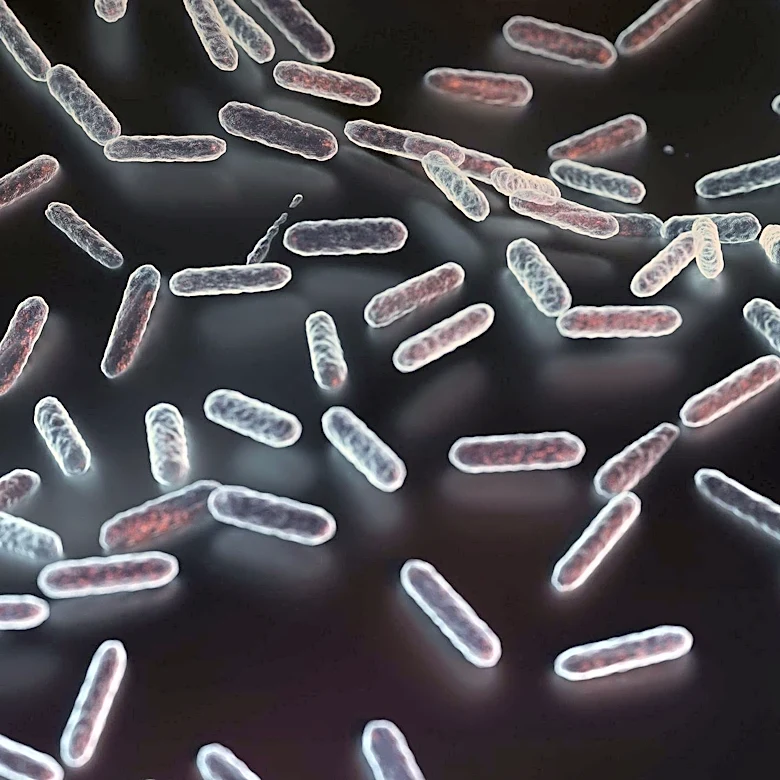
for blood cancers. This first-of-its-kind therapy involves delivering 16 carefully selected beneficial bacteria designed to restore the microbiome and combat harmful pathogens. A multicenter phase 1 clinical trial demonstrated that SER-155 was well-tolerated, with no treatment-related side effects. Patients who received the therapy experienced fewer bloodstream infections and had lower levels of harmful bacteria associated with infection. According to Dr. Marcel van den Brink, City of Hope chief physician executive, this approach represents a significant shift from simply replenishing the microbiome to precisely engineering it for specific therapeutic outcomes. The therapy works by introducing bacteria known to consume nutrients used by harmful bacteria, release pathogen-killing compounds, or regulate the body's immune response. Patients in the trial were first given antibiotics to clear their existing microbiomes, followed by pills containing the selected bacteria, administered before and after transplant.
Why It's Important?
This development is crucial for highly vulnerable cancer patients, particularly those undergoing allogeneic stem cell transplantation, who face a high risk of life-threatening bloodstream infections and sepsis due as their immune systems recover. Current preventative measures primarily involve antibiotics, which can disrupt the microbiome further. SER-155 offers a targeted solution that addresses the underlying microbiome disruption, potentially reducing infection rates and improving patient outcomes. The study's success in safely delivering live biotherapeutic drugs to immunocompromised individuals opens the door for an entirely new class of therapies. This precision engineering approach, as highlighted by Dr. van den Brink, signifies a move towards more sophisticated microbiome interventions, moving beyond broad-spectrum treatments like fecal transplants, which can be risky for these patients. The ability to design specific bacterial consortia for clinical purposes could revolutionize how infections are prevented and treated in oncology and beyond.
What's Next?
While the phase 1 trial showed promising results, larger clinical trials are necessary before SER-155 can be approved for widespread use and made available to patients. City of Hope's microbiome program is actively pursuing follow-up research, including additional studies and clinical trials, to further develop therapies that target the microbiome. These efforts aim to improve immunotherapy outcomes and prevent complications in cancer treatment. The success of SER-155 also paves the way for exploring similar precision microbiome engineering approaches for other conditions where microbiome dysbiosis plays a role. The research community will likely focus on refining bacterial selection, optimizing delivery methods, and understanding long-term efficacy and safety profiles in diverse patient populations. Regulatory bodies will also need to establish clear pathways for the approval of these novel live biotherapeutic products.
Beyond the Headlines
This breakthrough signifies a fundamental shift in our understanding and manipulation of the human microbiome, moving from observation to active engineering. The ethical implications of precisely altering a patient's microbial ecosystem will become increasingly relevant, particularly concerning potential long-term effects and unintended consequences. Legally, the development of live biotherapeutic products will necessitate new regulatory frameworks to ensure safety, efficacy, and standardization, differing from traditional pharmaceutical drugs. Culturally, this research could further integrate microbiome health into mainstream medical discourse, influencing dietary recommendations and preventative care strategies. The success of SER-155 also underscores the growing recognition of the microbiome's role in overall health and disease, potentially leading to a paradigm shift in how various medical conditions are approached, from infectious diseases to chronic illnesses and even mental health. This precision approach could also inspire similar innovations in other fields of medicine, leveraging biological systems for targeted therapeutic interventions.