



What's Happening?
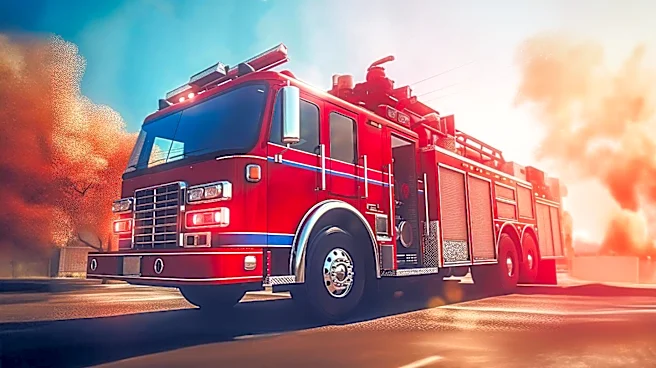
A fire at the Savannah River National Laboratory in South Carolina led to a 'Site Area Emergency,' the second-highest emergency classification for the facility. The incident caused disruptions to road, rail, and air traffic around the nuclear site. Following
the extinguishing of the fire, officials conducted radiological surveys which confirmed no detectable contamination outside the facility. Consequently, the emergency status was terminated, and all traffic restrictions were lifted. Employees were instructed to report for their shifts as usual. The Savannah River Site, a significant U.S. government installation, historically produced materials for nuclear weapons and now focuses on environmental cleanup, nuclear waste management, and handling nuclear materials. The laboratory specifically conducts experiments with nuclear materials and processes radioactive substances.
Why It's Important?
This incident highlights the critical importance of safety protocols and emergency response capabilities at facilities handling radioactive materials within the U.S. While no contamination was detected off-site, the declaration of a 'Site Area Emergency' underscores the potential risks associated with such operations. The event draws attention to the ongoing need for stringent safety measures and preparedness to prevent the dispersal of radioactive materials, which could have severe public health and environmental consequences. The quick and effective response, including the immediate radiological surveys and subsequent lifting of restrictions, demonstrates the operational readiness of the facility's emergency management systems. However, it also serves as a reminder of the inherent dangers and the continuous vigilance required in managing nuclear sites.
What's Next?
Following the termination of the emergency, the Savannah River Site will likely conduct a thorough investigation into the cause of the fire at the National Laboratory. This investigation will aim to identify any procedural gaps or equipment failures that contributed to the incident, leading to potential enhancements in safety protocols and operational procedures. Regulatory bodies, such as the U.S. Department of Energy, will likely review the incident report and ensure that all necessary corrective actions are implemented. The event may also prompt a review of emergency preparedness plans at other similar nuclear facilities across the U.S. to ensure they are robust enough to handle unexpected events. Public confidence in the safety of nuclear operations will depend on the transparency and effectiveness of these follow-up actions.
Beyond the Headlines
The fire at the Savannah River National Laboratory, despite resulting in no off-site contamination, brings to the forefront the broader societal debate surrounding nuclear facilities. It reignites discussions about the balance between national security interests, energy production, and environmental safety. The incident underscores the ethical responsibility of managing nuclear materials, particularly given the site's history in nuclear weapons production and its current role in waste management. The public's perception of nuclear safety is highly sensitive to such events, even minor ones, influencing policy decisions and community relations. This event serves as a case study in risk management within high-stakes environments, emphasizing the need for continuous innovation in safety technology and robust regulatory oversight to maintain public trust and ensure long-term operational integrity.