




What's Happening?
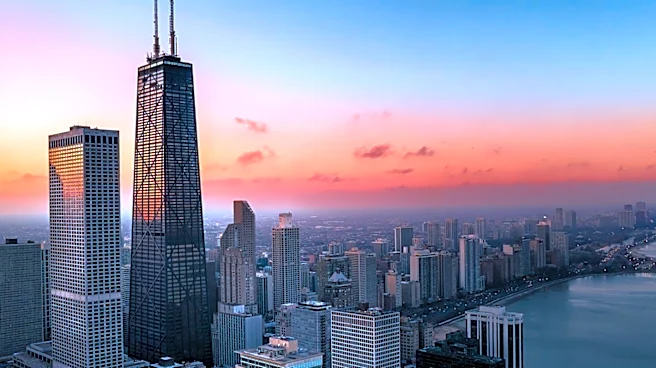
U.S. Representative Sean Casten, D-IL, is scheduled to deliver remarks at a naturalization ceremony in Chicago. The event, taking place on Tuesday afternoon at the Dirksen U.S. Courthouse, will welcome 101 new United States citizens from 35 different
countries. U.S. District Judge Thomas M. Durkin will administer the oath during the proceedings. This ceremony occurs as the number of court-administered naturalizations in the district is reportedly tracking below figures from recent years. The event highlights the ongoing process of individuals becoming U.S. citizens and the role of public officials in acknowledging this significant milestone.
Why It's Important?
This naturalization ceremony is important as it underscores the continuous process of immigration and integration into American society. The participation of a U.S. Representative like Sean Casten emphasizes the civic importance of becoming a citizen and the government's recognition of these new members of the national community. The ceremony also serves as a public affirmation of the values of diversity and inclusion, as individuals from 35 different countries pledge their allegiance to the United States. The reported decline in court-administered naturalizations in the district could signal broader trends or administrative challenges in the naturalization process, making each ceremony a more significant event for those involved and for the community at large. For the new citizens, it marks the culmination of a rigorous legal process and the beginning of full participation in American civic life, including voting and other rights and responsibilities.
What's Next?
Following the naturalization ceremony, the 101 new citizens will gain full rights and responsibilities as U.S. citizens, including the right to vote, serve on juries, and apply for U.S. passports. Their integration into American society will continue through participation in local communities and civic engagement. For U.S. Representative Sean Casten, his participation reinforces his connection with his constituents and highlights his support for immigrant communities. The U.S. District Court for the Northern District of Illinois will likely continue to monitor and address any factors contributing to the reported lower naturalization rates, potentially exploring ways to streamline or support the process for future applicants. The event itself will be a memorable occasion for the new citizens and their families, marking a significant personal and legal transition.
Beyond the Headlines
Beyond the immediate event, this naturalization ceremony touches upon deeper themes of national identity, democratic participation, and the evolving demographic landscape of the United States. The act of naturalization is not merely a legal formality but a profound cultural and personal transformation, symbolizing a commitment to a new homeland while often retaining ties to one's heritage. The presence of a U.S. Representative and a District Judge at such ceremonies reinforces the idea that citizenship is a cornerstone of the American political system, emphasizing the rule of law and representative democracy. The diversity of the new citizens, representing 35 countries, illustrates the ongoing 'melting pot' narrative of the U.S., continually enriching its social fabric with varied perspectives and traditions. This event also subtly highlights the administrative machinery behind immigration, with courts playing a crucial role in formalizing these transitions, and the challenges they face in managing the volume and complexity of applications.