







What's Happening?
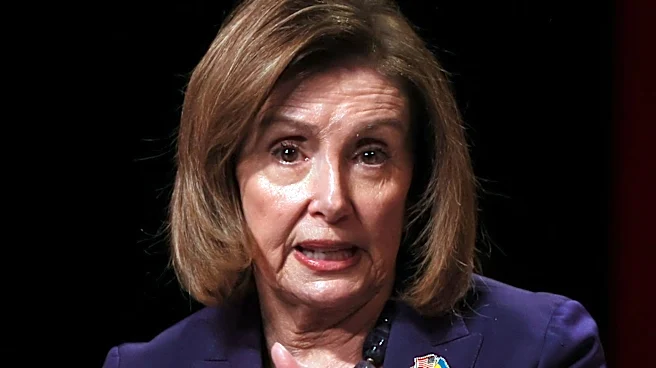
Former House Speaker Nancy Pelosi's stock trade disclosures are a major point of interest within financial media, trading communities, and social platforms. Her filings, which often involve large-cap technology companies and substantial position sizes,
are quickly disseminated and analyzed upon becoming public. Congress Pings, an email alert service, aims to provide immediate notifications of these disclosures to subscribers, ensuring they are among the first to see the information. The service covers all 435 voting House members, but Pelosi's trades are particularly scrutinized due to her consistent track record of outperforming the market. The alerts include details such as the member's name, ticker symbol, action (buy or sell), amount range, trade date, and filing date. This immediate access allows traders to evaluate the information directly, rather than relying on second-hand summaries after market reactions have already occurred. House ethics rules require disclosures within 30 days of notification or 45 days of the transaction date, meaning the trade has already occurred by the time it becomes public.
Why It's Important?
The intense focus on Nancy Pelosi's stock trades highlights broader concerns about congressional stock trading and its potential influence on financial markets. Her consistent market outperformance raises questions among traders about whether her legislative insights or access to information play a role in her investment decisions. This scrutiny underscores the ongoing debate regarding the ethics of stock trading by members of Congress, particularly when they vote on legislation that could impact the companies they invest in. The rapid dissemination and analysis of her trades by thousands of people can lead to significant market movements, affecting individual investors and the overall market. The demand for immediate alerts, as offered by services like Congress Pings, demonstrates the perceived value of this information and the desire among traders to gain an edge by acting quickly on congressional disclosures. This situation also fuels discussions about transparency and accountability in government, as the public and financial community seek to understand the interplay between political power and personal financial gains.
What's Next?
The continued attention on congressional stock trades, particularly those of high-profile figures like Nancy Pelosi, is likely to sustain the demand for services that provide real-time disclosure alerts. The ongoing debate surrounding H.R. 7008, a proposed congressional trading ban, indicates a potential shift in regulations governing how members of Congress can invest. If such legislation were to pass, it would significantly alter the landscape of congressional stock trading and potentially reduce the perceived advantage of tracking these disclosures. In the short term, traders will continue to monitor Pelosi's filings closely, using the information to inform their own investment strategies. The effectiveness of alert services will remain crucial for those seeking to capitalize on these disclosures. Furthermore, the public and media will likely continue to press for greater transparency and stricter ethical guidelines regarding financial activities of elected officials, potentially leading to further legislative efforts or increased public pressure for voluntary restrictions.
Beyond the Headlines
The intense focus on Nancy Pelosi's stock trades extends beyond mere financial speculation, touching upon fundamental issues of public trust, ethical governance, and the integrity of democratic institutions. The perception that elected officials might benefit financially from their positions, even through legal means, can erode public confidence in government. This situation highlights the inherent tension between a public servant's right to personal financial activity and the potential for conflicts of interest. The 'signal' that traders seek in Pelosi's filings suggests a belief that congressional members possess unique insights into market-moving information, whether through legislative foresight or direct knowledge. This raises ethical questions about fairness and equal access to information in financial markets. The ongoing discussion about congressional stock trading also reflects a broader societal concern about economic inequality and the advantages held by those in power. Ultimately, the scrutiny of these trades serves as a constant reminder of the need for robust ethical frameworks and transparent practices to maintain the public's faith in its representatives.