








What's Happening?
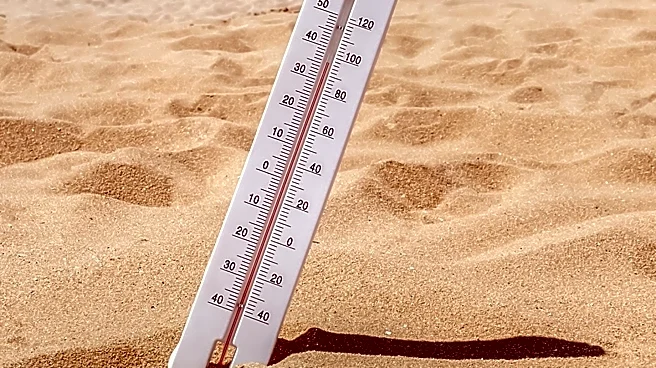
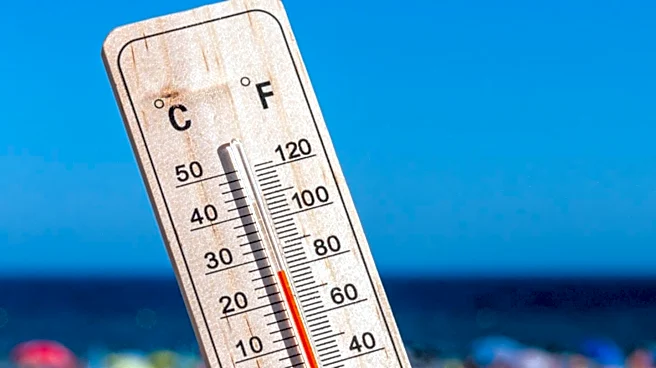
The eastern United States is experiencing one of the most intense heat waves in years, exacerbated by climate change, as the nation prepares to celebrate its 250th Independence Day. High temperatures are forecasted to reach the 90s and low 100s from New
England to the Southeast, with major cities like Philadelphia and Washington, D.C., experiencing triple-digit temperatures for the third consecutive day. The heat wave has already resulted in heat-related illnesses and a fatality in Pennsylvania. Additionally, power outages have been reported in New York City due to the strain on the electrical grid. The oppressive heat is also expected to fuel thunderstorms, posing a threat to outdoor activities and fireworks displays. The heat dome responsible for the extreme temperatures is a stagnant area of high pressure that traps hot, humid air, a pattern made more dangerous by human-caused climate change.
Why It's Important?
The extreme heat wave highlights the growing impact of climate change on weather patterns, with significant implications for public health and safety. The heat has already led to a fatality and numerous heat-related illnesses, underscoring the need for increased awareness and preparedness. The potential for thunderstorms adds another layer of risk, particularly for outdoor events and celebrations. The strain on the electrical grid, as evidenced by power outages in New York City, further emphasizes the need for infrastructure resilience in the face of extreme weather. The situation serves as a reminder of the urgent need to address climate change and its effects on everyday life.
What's Next?
As the heat wave continues, authorities and event organizers may need to adjust plans for July 4th celebrations, including potential cancellations or delays of outdoor events. Public health officials will likely continue to issue warnings and advisories to mitigate the risk of heat-related illnesses. The heat is expected to ease slightly by Sunday, but parts of the Southeast may remain hot into the following week. The ongoing situation may prompt further discussions on climate change policies and infrastructure improvements to better handle extreme weather events in the future.