




What's Happening?
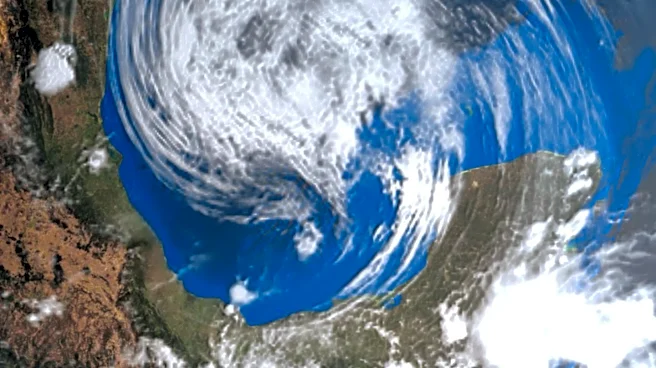
The United Nations has issued a warning that the El Niño weather phenomenon is set to intensify further before reaching its peak in December. According to the World Meteorological Organization's monthly Global Seasonal Climate Update, this naturally occurring
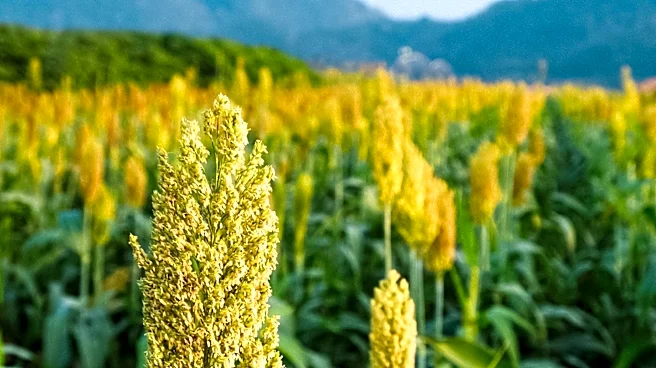
event is expected to bring above-average temperatures across much of the globe and alter rainfall patterns, increasing the risk of both drought and floods in various regions. The UN's weather and climate agency indicated that this El Niño could be among the strongest recorded since at least 1950, with its effects exacerbating the impacts of man-made climate change. The Philippines, for instance, is already taking steps to strengthen its use of climate and rice data to assist farmers in making timely decisions regarding planting, irrigation, and drought preparedness as the risks associated with El Niño escalate. The Philippine Rice Research Institute and the Philippine Atmospheric, Geophysical and Astronomical Services Administration are collaborating to translate weather forecasts and rice production data into actionable information for farmers.
Why It's Important?
The intensification of El Niño carries significant implications for global weather patterns, potentially leading to widespread disruptions in agriculture, water resources, and infrastructure. For the U.S., this could translate into altered precipitation, with some regions experiencing increased drought conditions and others facing heightened flood risks. Such shifts can impact agricultural yields, leading to higher food prices and potential supply chain issues. Energy consumption patterns may also change due to temperature anomalies, affecting utility demands and costs. Furthermore, the compounding effect of El Niño with man-made climate change underscores the urgency of climate adaptation and mitigation strategies. Industries reliant on stable weather conditions, such as farming, transportation, and tourism, could face economic setbacks. The global nature of this phenomenon means that even if the direct impact on the U.S. is localized, indirect effects through international trade and commodity markets are probable, influencing the U.S. economy.
What's Next?
As El Niño continues to intensify towards its projected peak in December, governments and organizations worldwide, including those in the U.S., will likely continue to monitor weather patterns closely and implement preparedness measures. This includes updating weather advisories, strengthening early warning systems, and potentially allocating resources for disaster response and recovery. Agricultural sectors will need to adapt planting schedules and water management practices based on localized forecasts. There may be increased calls for international cooperation on climate resilience and disaster risk reduction, especially as the UN highlights the potential for this El Niño to be historically strong. Businesses and communities in vulnerable regions within the U.S. should prepare for potential extreme weather events, such as prolonged droughts or severe flooding, which could impact infrastructure and daily operations. The focus will be on translating scientific forecasts into practical, on-the-ground actions to mitigate adverse effects.
Beyond the Headlines
The UN's warning about El Niño's intensification highlights a broader challenge: the increasing frequency and severity of extreme weather events due to climate change. This situation underscores the critical need for long-term climate strategies that go beyond immediate disaster response. It brings to the forefront discussions about climate justice, as developing nations often bear a disproportionate burden of climate impacts despite contributing less to global emissions. For the U.S., this event could serve as a catalyst for further investment in climate-resilient infrastructure, sustainable agricultural practices, and renewable energy sources. It also emphasizes the importance of scientific research and data dissemination in empowering communities to make informed decisions. The ethical dimension of climate change, particularly regarding intergenerational equity and the responsibility to protect future generations from environmental degradation, becomes more pronounced with each such warning.