




What's Happening?
Taiwan's defense ministry has for the first time publicly confirmed that it allocates funding for the U.S. Indo-Pacific Command to send a retired general and other personnel to observe its largest annual war games, the Han Kuang exercises. This disclosure
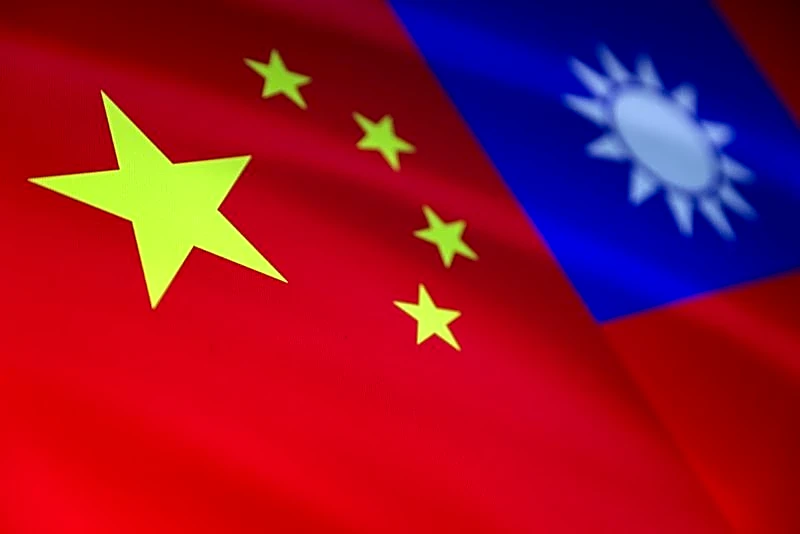
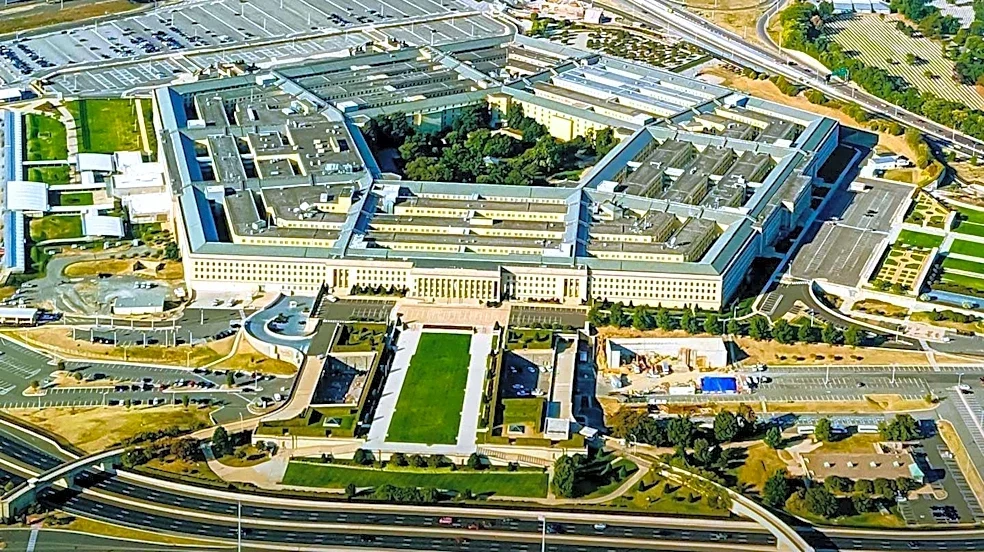
sheds light on military exchanges between Taipei and Washington that have traditionally been kept out of public view. According to a report submitted to the legislature, NT$82.4 million (US$2.5 million) has been allocated for a program covering the Han Kuang exercises in 2026 and 2027, with NT$41.219 million designated for this year. The 'Annual Assessment by Senior Observers and Exchanges' program specifically funds a retired American general to serve as a senior observer, alongside a delegation of military professionals and civilian personnel organized by the U.S. Indo-Pacific Command. This move comes as security cooperation between the two sides deepens amid growing pressure from Beijing.
Why It's Important?
This unprecedented public acknowledgment of U.S. military observation in Taiwan's war games signifies a notable shift in the transparency of U.S.-Taiwan security cooperation. For the U.S., this deepens its understanding of Taiwan's defense capabilities and readiness, which is crucial for strategic planning in the Indo-Pacific region. It also allows for direct assessment and potential recommendations to enhance Taiwan's military effectiveness against potential threats. For Taiwan, having retired U.S. generals and military professionals observe its exercises provides invaluable insights and validation of its defense strategies, potentially improving interoperability and tactical approaches. This increased transparency and cooperation send a strong signal to Beijing about the U.S.'s commitment to Taiwan's security, potentially influencing regional power dynamics and deterrence strategies. The financial allocation underscores a formal, institutionalized aspect of this security relationship, moving beyond informal engagements.
What's Next?
The public disclosure of funding for U.S. observers suggests a potential trend towards greater transparency in U.S.-Taiwan military cooperation, which could lead to more formalized and visible joint activities in the future. This might include expanded observation programs, joint training exercises, or increased information sharing, all aimed at bolstering Taiwan's defense capabilities. Beijing is likely to react to this increased transparency with strong rhetoric, potentially escalating its diplomatic and military pressure on Taiwan. The U.S. will need to carefully manage its messaging and actions to balance its commitment to Taiwan's security with efforts to avoid unnecessary provocation. Future legislative reports in Taiwan may provide further details on the scope and impact of these observation programs, offering more insights into the evolving nature of U.S.-Taiwan defense relations.
Beyond the Headlines
The decision to publicly disclose the funding for U.S. observers in Taiwan's war games carries significant symbolic weight, moving a previously discreet aspect of U.S.-Taiwan relations into the open. This transparency could be interpreted as a deliberate strategy by both Taipei and Washington to project strength and resolve in the face of increasing regional tensions. It challenges the long-standing ambiguity surrounding U.S. military support for Taiwan, potentially reshaping international perceptions of the U.S.'s commitment. Ethically, this move raises questions about the balance between strategic ambiguity and overt support, and how such disclosures impact regional stability. Culturally, it could foster greater trust and collaboration between the U.S. and Taiwanese militaries, potentially leading to a more integrated defense posture. This development marks a subtle but significant shift in the geopolitical landscape of the Indo-Pacific, with long-term implications for regional security architecture and the future of cross-strait relations.