



What's Happening?
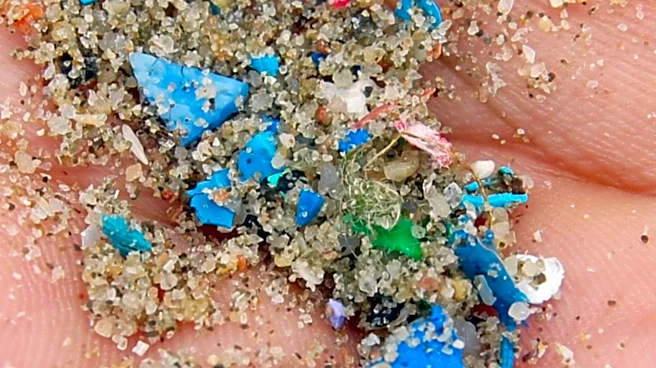
A study published in Water Research has revealed the presence of microplastic particles in deep-sea snails and mussels from hydrothermal vents in the Indian and Pacific Oceans. Researchers found that 11 out of 12 sampled animals contained microplastics,
highlighting the pervasive impact of human activities on remote marine ecosystems. The study compared contamination levels between the two oceans, noting that the Indian Ocean specimens had significantly higher microplastic concentrations. This disparity is attributed to the Indian Ocean's substantial plastic discharges and regional monsoons that facilitate pollutant transport.
Why It's Important?
The discovery of microplastics in deep-sea organisms underscores the far-reaching consequences of plastic pollution, affecting even the most isolated marine environments. This contamination poses potential risks to marine biodiversity and the health of ocean ecosystems, which play a critical role in global climate regulation and food security. The findings highlight the need for comprehensive strategies to address plastic pollution, including reducing plastic production, improving waste management, and enhancing international cooperation to protect marine life.
Beyond the Headlines
The study raises questions about the long-term impacts of microplastics on deep-sea ecosystems and their potential effects on the broader oceanic food web. Understanding how microplastics accumulate in marine organisms and their biological processes is crucial for assessing ecological risks. The research also emphasizes the importance of continued exploration and monitoring of deep-sea environments to inform conservation efforts and policy decisions aimed at mitigating the impacts of plastic pollution.