






What's Happening?
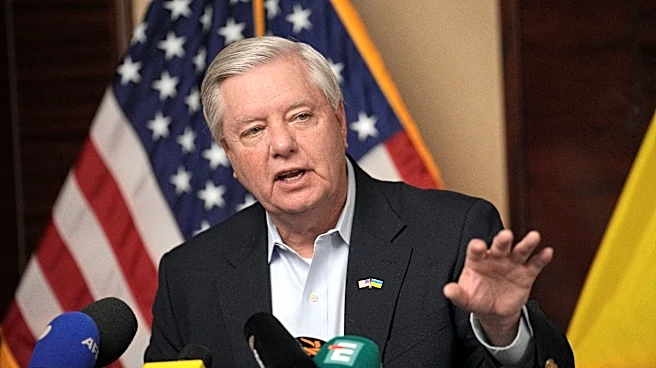
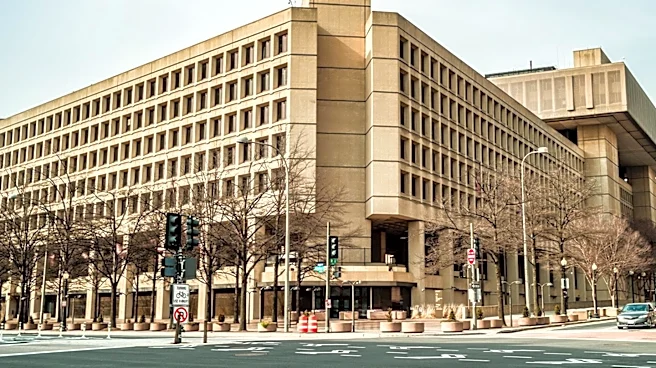
Following the death of Senator Lindsey Graham, FBI Director Kash Patel stated that the agency is assisting local authorities in the investigation. Graham, who was 71, passed away in Washington, D.C., shortly after a visit to Ukraine where he met with
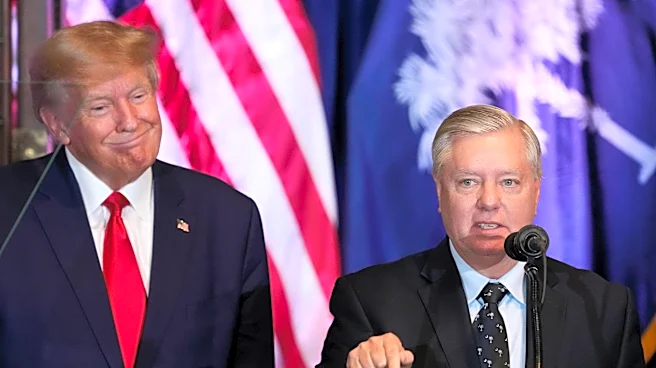
President Volodymyr Zelenskyy. The cause of death was identified as an aortic tear, a medical emergency. Despite this, conspiracy theories emerged online, with some falsely accusing foreign powers of involvement in Graham's death. President Donald Trump, addressing these theories, expressed skepticism about the FBI's involvement, suggesting that the agency is wasting its time. Trump referenced Graham's family history, noting that his father died at a similar age, and dismissed the conspiracy theories as unfounded. The death of Graham, a prominent political figure, has led to tributes nationwide, and South Carolina Governor Henry McMaster has appointed Graham's sister, Darline Graham, to serve the remainder of his Senate term.
Why It's Important?
The death of Senator Lindsey Graham and the subsequent investigation by the FBI have significant implications for U.S. politics. Graham was a key figure in the Republican Party, and his sudden death has sparked a wave of conspiracy theories, highlighting the current climate of distrust and misinformation. President Trump's comments reflect a broader skepticism towards federal investigations, which could influence public perception and trust in government institutions. The appointment of Darline Graham to fill her brother's Senate seat ensures continuity in representation for South Carolina, but it also sets the stage for a special Republican primary, which could impact the political landscape. The situation underscores the challenges faced by political leaders in addressing misinformation and maintaining public confidence.
What's Next?
With Darline Graham appointed to serve the remainder of Lindsey Graham's term, a special Republican primary is scheduled for August 11 to determine the candidate for the upcoming general election. This primary will be closely watched as it could shift the balance of power within the Republican Party in South Carolina. Additionally, the FBI's involvement in the investigation may continue to be a point of contention, particularly if conspiracy theories persist. Political leaders and public figures may need to address these theories to prevent further erosion of trust in governmental processes. The outcome of the primary and the handling of the investigation could have lasting effects on the political dynamics in South Carolina and beyond.