




What's Happening?
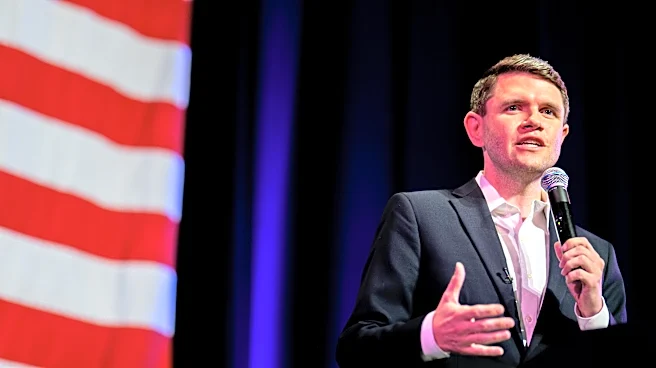
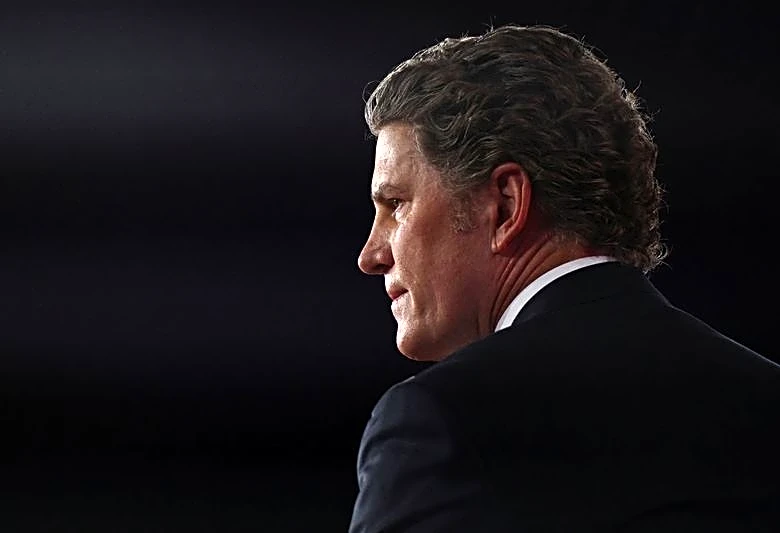
President Donald Trump has nominated outgoing Texas Representative Wesley Hunt to serve as the U.S. ambassador to Saudi Arabia. The White House formally transmitted Hunt's nomination to the Senate on Monday. Hunt, 44, was first elected to represent Texas’
38th congressional district in 2022. He recently ran an unsuccessful primary challenge against Senator John Cornyn, placing third with approximately 14% of the vote, and was expected to leave Capitol Hill after the November midterm elections. Hunt has been a strong supporter of President Trump's agenda during his tenure in Congress. His nomination comes as the Trump administration seeks to deepen cooperation with Saudi Arabia and its Crown Prince Mohammed bin Salman. The Senate Foreign Relations Committee is expected to hold a hearing for Hunt's confirmation, though a date has not yet been set. This appointment would place Hunt in a significant diplomatic role amidst ongoing U.S. efforts to strengthen ties with the kingdom, including a recent 30-year commercial nuclear energy deal.
Why It's Important?
This nomination is significant as it places a close ally of President Trump in a critical diplomatic position in Saudi Arabia, a key U.S. partner in the Middle East. The appointment underscores the administration's commitment to fostering a strong relationship with the kingdom, particularly given recent developments such as the 30-year commercial nuclear energy deal. This deal, which aims to give U.S. nuclear companies an advantage in Saudi Arabia's developing nuclear power program, has raised concerns among some members of Congress regarding its potential implications for nuclear proliferation, specifically Riyadh's ability to enrich uranium for weapons. Hunt's role would involve navigating these complex geopolitical and economic interests, influencing U.S. foreign policy in a region vital for global energy security and counter-terrorism efforts. His confirmation would signal a continuation of the current administration's approach to Saudi relations, potentially impacting regional stability and U.S. strategic objectives.
What's Next?
The next step for Representative Hunt's nomination is a hearing before the Senate Foreign Relations Committee. This committee will scrutinize his qualifications, past actions, and views on U.S.-Saudi relations. Given Hunt's controversial past, including his statistically high absence rate from House votes during his Senate campaign and his meeting with 'manosphere' influencers Andrew and Tristan Tate, the confirmation process could face challenges. Members of Congress are also expected to continue their review of the 30-year commercial nuclear energy deal with Saudi Arabia, which requires their approval by next month. The outcome of Hunt's confirmation and the congressional decision on the nuclear deal will shape the future trajectory of U.S.-Saudi relations and could influence regional dynamics, particularly concerning Iran-backed Houthi militants in Yemen, whom Saudi Crown Prince Mohammed bin Salman has urged President Trump to address militarily.
Beyond the Headlines
Beyond the immediate diplomatic implications, Hunt's nomination highlights the broader trend of political appointments rewarding loyalty to the President. His past actions, such as pushing back against criticisms of a Supreme Court ruling on congressional redistricting and spearheading an amendment for a crude oil pipeline project, reflect a consistent alignment with the President's agenda. The controversy surrounding his meeting with the Tate brothers also raises questions about the vetting process for high-level diplomatic positions and the potential for such associations to impact U.S. credibility abroad. Furthermore, the ongoing debate over the nuclear energy deal with Saudi Arabia touches upon critical ethical and security dimensions, as it balances economic interests with non-proliferation concerns. This appointment, therefore, is not just about a single individual but also about the values and strategic priorities the U.S. projects onto the global stage.