






What's Happening?
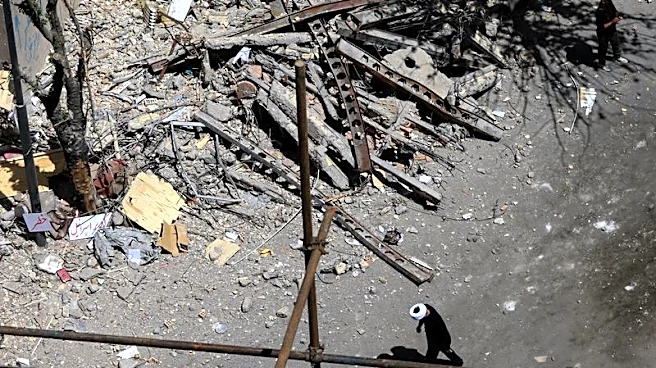
Asia-Pacific insurance companies are currently managing limited direct exposure to the Middle East conflict, though they remain vulnerable to financial market volatility. According to a report from S&P Global Ratings, titled 'Asia-Pacific Insurers: Market
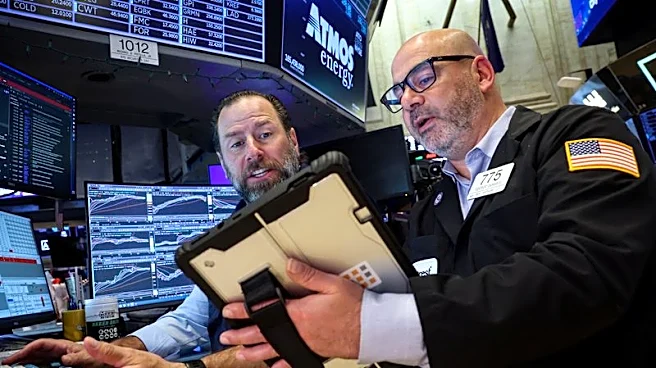
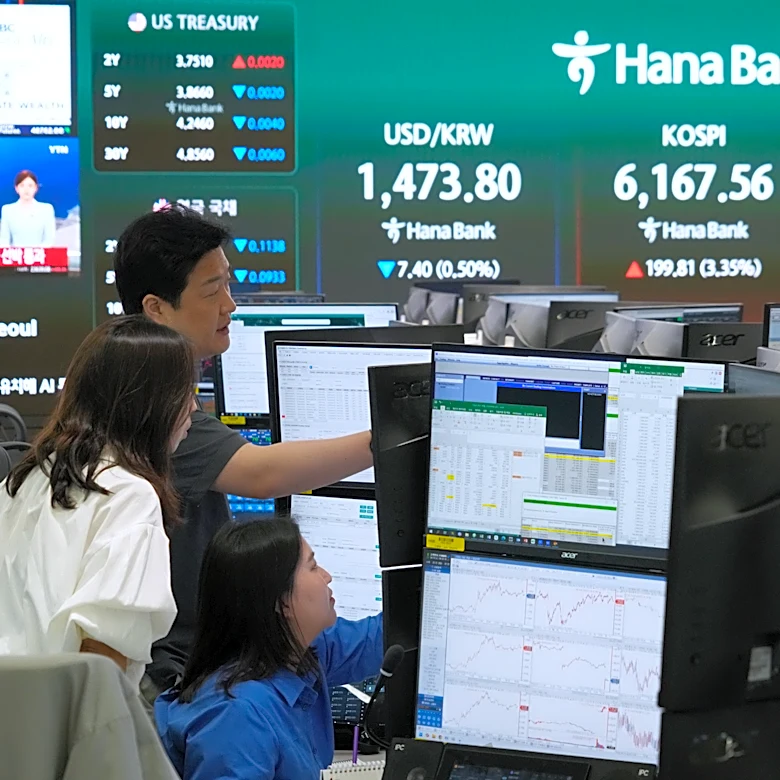
Volatility Is The Largest War-Related Impact,' the risks are manageable under current conditions but could intensify if oil market disruptions persist. The report suggests that while some disruptions are expected to last for several months, insurers possess sufficient capital buffers to absorb the resulting investment and underwriting stresses. Specific losses may arise from marine and cargo policies as trade flows through Middle Eastern routes are affected, though this segment typically represents a small proportion of the region's overall premiums. The more significant threat involves broader macroeconomic shifts, with rising energy costs driving up inflation and putting upward pressure on interest rates.
Why It's Important?
The stability of Asia-Pacific insurers amid the Middle East conflict is crucial as it highlights the resilience of the insurance sector in the face of geopolitical tensions. The ability of these insurers to manage market volatility without significant direct underwriting losses is vital for maintaining investor confidence and ensuring the continued provision of insurance services. Rising energy costs and inflation could lead to higher premiums for policyholders, affecting both individuals and businesses. This situation underscores the interconnectedness of global markets and the potential for regional conflicts to have far-reaching economic impacts. Insurers operating in low-income economies that are net energy importers are particularly at risk, which could lead to increased financial strain in these regions.
What's Next?
If the conflict in the Middle East is prolonged, insurers may face increased input costs and weaker economic conditions, potentially leading to higher premiums and reduced profitability. Stakeholders, including policymakers and industry leaders, may need to consider strategies to mitigate these impacts, such as diversifying investment portfolios or seeking alternative energy sources. The ongoing situation will likely require close monitoring of geopolitical developments and their effects on global financial markets. Insurers may also need to reassess their risk management strategies to better prepare for future market disruptions.