






What's Happening?
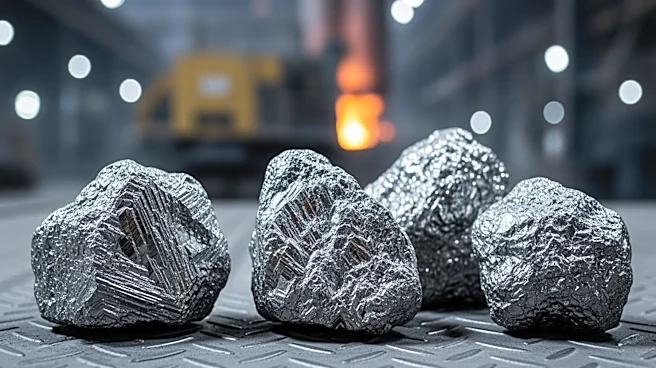
Indonesia's nickel smelters group, FINI, has raised concerns over a new pricing formula for nickel ore that took effect recently. This formula incorporates the content of other minerals in the ore, significantly increasing production costs for nickel products,
including those used in battery components. According to FINI, the production costs for mixed hydro precipitate, a key material in battery production, could rise by approximately $2,400 to $2,600 per metric ton of nickel content due to the inclusion of cobalt in the pricing formula. Additionally, costs for nickel processing using the rotary kiln-electric furnace method are expected to increase by nearly $600 per ton of nickel content. The industry is already grappling with rising energy and sulfur prices, which further exacerbate the financial strain on smelters.
Why It's Important?
The new pricing formula poses significant challenges for Indonesia's nickel industry, a critical sector for the country's economy and a key player in the global supply chain for battery materials. The increased production costs could lead to operational losses for smelters, potentially affecting their competitiveness in the international market. This development is particularly crucial as the demand for nickel, driven by the electric vehicle industry, continues to grow. The financial strain on smelters may also impact Indonesia's ability to attract foreign investment in its nickel sector, which is vital for economic growth and technological advancement.
What's Next?
The Indonesian government and industry stakeholders may need to engage in discussions to address the financial challenges posed by the new pricing formula. Potential measures could include revisiting the formula to balance the interests of smelters and the broader economic goals. Additionally, there may be increased pressure on the government to provide subsidies or incentives to help smelters manage rising costs. The outcome of these discussions could have significant implications for the future of Indonesia's nickel industry and its role in the global market.
Beyond the Headlines
The introduction of the new pricing formula highlights the broader issue of resource management and economic policy in Indonesia. As the country seeks to capitalize on its natural resources, it must balance economic growth with sustainable practices and fair market conditions. The situation also underscores the importance of transparent and equitable pricing mechanisms in maintaining industry stability and fostering investor confidence. Long-term, this development could prompt a reevaluation of Indonesia's resource management strategies and its approach to international trade and investment.