



What's Happening?
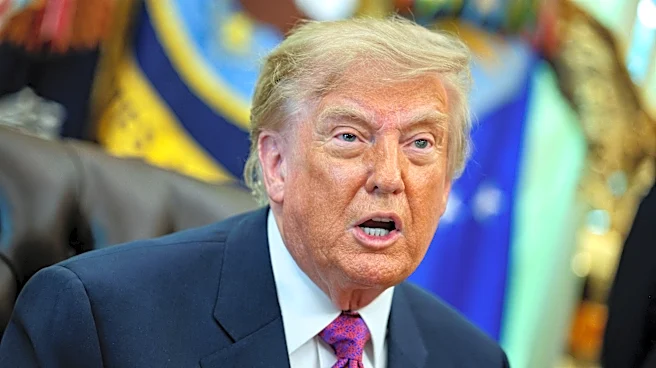
President Trump has signed an Executive Order aimed at suppressing tick and mosquito populations and addressing the diseases they transmit in the United States. The order outlines a policy for developing and deploying 'commonsense approaches and technological
capabilities' for pest control, focusing on improved detection, screening, prevention, and healthcare interventions. Key priorities include leading in safe and effective tick and mosquito population control through smart land management, natural predator populations, non-chemical pest control, and advanced technologies like sterile insect techniques and biotechnologies. The order specifically targets diseases such as alpha-gal syndrome, Theileriosis, Rocky Mountain spotted fever, Lyme disease, Babesiosis (spread by ticks), and viral infections like West Nile, Zika, Chikungunya, and Dengue fever (spread by mosquitoes). It also seeks to advance the objectives of the D.C. Safe and Beautiful Task Force by reducing invasive tick and mosquito populations in Washington D.C. without harming beneficial insects, native plants, animals, or natural beauty.
Why It's Important?
This Executive Order is significant because it recognizes the growing health and economic burdens posed by tick and mosquito-borne diseases in the U.S. Invasive mosquito species, such as the Asian tiger and Egyptian mosquitoes, are multiplying and becoming dominant in some areas, including D.C., spreading disease and diminishing quality of life. Expanding tick populations also expose Americans, pets, and livestock to debilitating health risks. The order shifts focus from traditional pesticide reliance to a more integrated approach, emphasizing non-chemical and technology-enabled measures. This could lead to a reduction in disease incidence, improved public health outcomes, and enhanced enjoyment of outdoor spaces for Americans. By prioritizing research and development into novel control methods and treatments, the initiative could also stimulate innovation in the biotechnology and public health sectors, potentially creating new jobs and economic opportunities while mitigating healthcare costs associated with these illnesses.
What's Next?
Within 60 days of the order, the Secretary of the Interior, Secretary of Agriculture, Administrator of the Environmental Protection Agency, and Administrator of General Services, in consultation with the Secretary of Health and Human Services, are mandated to develop and implement a campaign in D.C. to reduce Asian tiger and Egyptian mosquito populations by 90 percent and tick populations by 50 percent by 2028. This campaign will involve remediating breeding grounds, controlling pest transport and host populations, and deploying advanced technological solutions. The EPA Administrator will also submit a regulatory framework for the development and release of advanced tick and mosquito control technologies and prioritize novel control methods. Within 90 days, the Secretary of Health and Human Services will issue prize competition announcements or direct research for rapid diagnostics, prophylactics, and therapeutics for tick- and mosquito-borne diseases, and review immunotherapy treatments for alpha-gal syndrome. The Secretary of Agriculture will also launch prize competitions or research programs for non-chemical means of pest reduction.
Beyond the Headlines
The Executive Order's emphasis on 'safe and effective biotechnologies' and 'sterile insect techniques' signals a potential shift towards more advanced, environmentally conscious pest control strategies. This could lead to a broader acceptance and integration of genetic modification and other cutting-edge scientific approaches in public health initiatives, potentially setting a precedent for how the U.S. addresses other vector-borne diseases. The focus on D.C. as a model for nationwide control suggests a strategic, phased implementation that could inform future national policies. Furthermore, the order's attention to alpha-gal syndrome, a tick-borne allergy to red meat, highlights the evolving understanding of vector-borne illnesses and their diverse impacts on human health and lifestyle. This comprehensive approach, balancing environmental concerns with public health needs, could foster inter-agency collaboration and drive significant advancements in pest management and disease prevention.