








What's Happening?
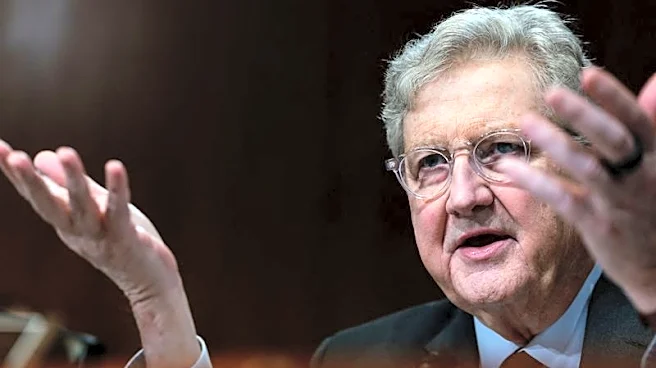
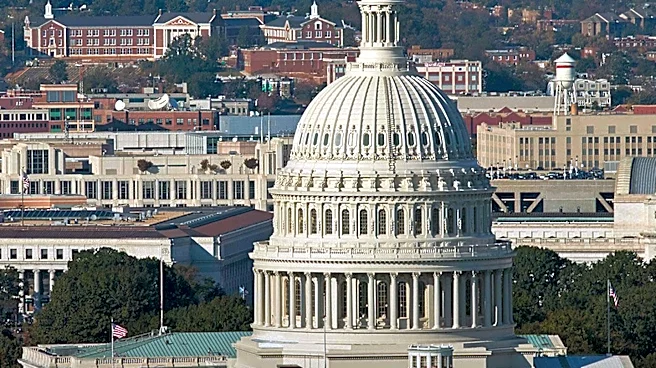
Senator Mark Warner, a Democrat from Virginia and vice chair of the Senate Intelligence Committee, announced his opposition to Jay Clayton's nomination as Director of National Intelligence. Warner's decision stems from Clayton's performance during his confirmation
hearing, where he failed to clearly acknowledge Joe Biden's victory in the 2020 presidential election. Despite Warner's opposition, Clayton is expected to be confirmed due to Republican control of the Senate. Warner also criticized President Trump's recent actions regarding election security, particularly his claims about foreign interference and the declassification of documents related to the 2020 election. Warner expressed concerns about the integrity of the election process and the potential disenfranchisement of voters under the proposed SAVE America Act.
Why It's Important?
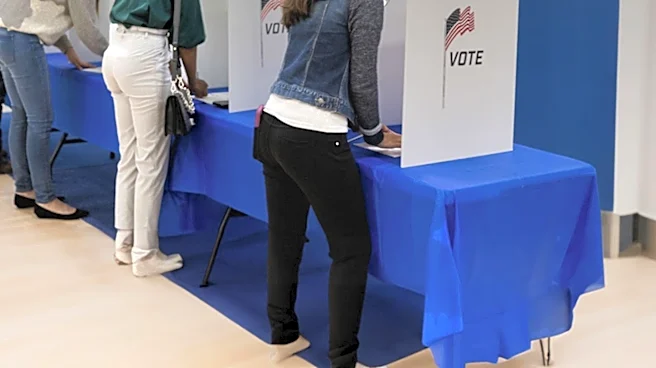
The confirmation of Jay Clayton as DNI is significant as it highlights the ongoing partisan divide over election security and the legitimacy of the 2020 election results. Warner's opposition underscores Democratic concerns about the Trump administration's handling of election security and the potential impact of Clayton's leadership on the intelligence community's ability to address foreign interference. The broader implications include potential changes to voting laws and the integrity of future elections, which could affect voter turnout and public confidence in the electoral process. The outcome of Clayton's confirmation could influence the direction of U.S. intelligence operations and the administration's approach to election security.
What's Next?
If confirmed, Jay Clayton will assume the role of Director of National Intelligence, where he will be responsible for overseeing the U.S. intelligence community and addressing election security concerns. The Senate's decision on Clayton's nomination will be closely watched, as it may set a precedent for future intelligence appointments and the administration's stance on election integrity. Additionally, the ongoing debate over the SAVE America Act and its potential impact on voter ID laws and disenfranchisement will continue to be a contentious issue in Congress, with potential implications for the 2028 elections.