






What's Happening?
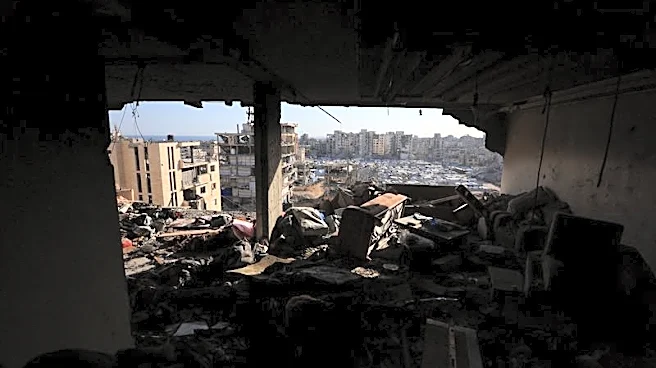
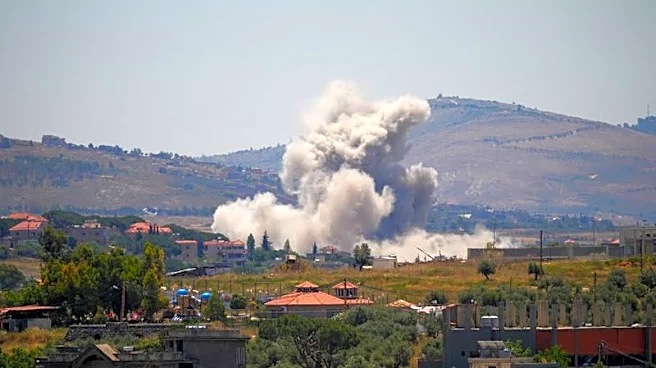
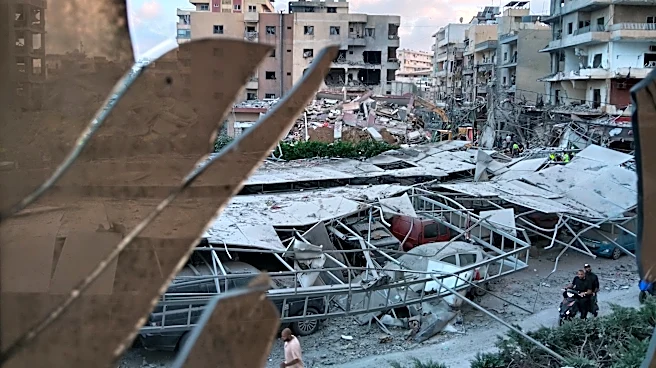
The Israeli security cabinet, led by Prime Minister Benjamin Netanyahu, recently convened to discuss a proposed ceasefire with Lebanon, which was backed by the United States. The proposal aimed to halt Hezbollah's attacks and require their withdrawal
from areas south of the Litani River. However, the ceasefire was not put to a vote as Hezbollah leader Naim Qassem publicly rejected the proposal. During the meeting, various ministers expressed differing views on the situation. National Security Minister Itamar Ben-Gvir advocated for a stronger military response, while Finance Minister Bezalel Smotrich considered securing a ceasefire under current conditions a significant achievement. The cabinet also addressed the ongoing military operations in the Gaza Strip and the threat posed by Hamas.
Why It's Important?
The discussions within the Israeli security cabinet highlight the complexities of achieving a ceasefire in the region. The rejection by Hezbollah underscores the challenges Israel faces in securing peace and stability along its northern border. The differing opinions among Israeli ministers reflect the broader debate on how to handle threats from Hezbollah and Hamas. A ceasefire could potentially reduce hostilities and bring temporary peace, but the lack of agreement suggests continued tension and possible escalation. The situation impacts regional security and has implications for U.S. diplomatic efforts in the Middle East.
What's Next?
The Israeli government may continue to seek diplomatic solutions while preparing for potential military actions if tensions escalate. The rejection of the ceasefire by Hezbollah could lead to increased military operations by Israel, as some ministers have suggested. The international community, particularly the United States, may continue to mediate in hopes of reaching a resolution. The situation remains fluid, with potential for both diplomatic breakthroughs and further conflict.