






What's Happening?
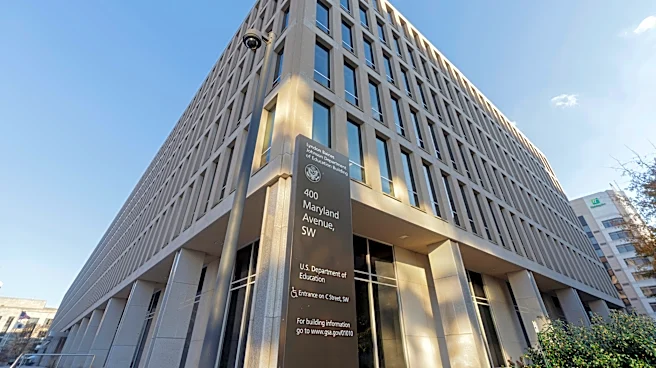
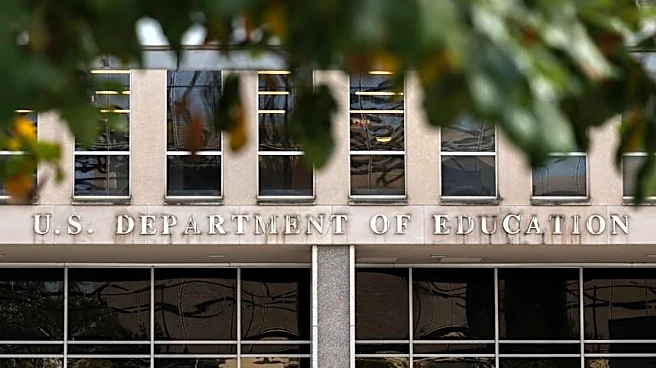
The U.S. Education Department announced the removal of several 'disparate impact' regulations, which have historically prohibited policies and practices that unintentionally result in discrimination. This decision follows an executive order signed by
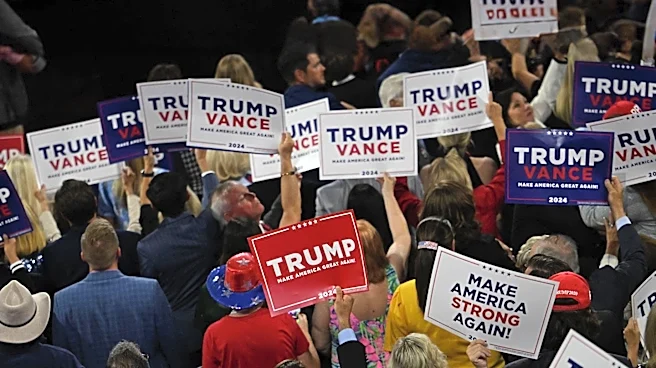
President Trump in April 2025, which opposed these regulations and directed federal agencies not to enforce them. The move is part of a broader initiative by President Trump to challenge diversity measures, which he argues are anti-merit and discriminatory against groups such as white people and men. Civil rights advocates have criticized this action, arguing that it undermines protections for marginalized groups, including ethnic minorities, women, and the LGBT community. Sixty civil rights and education groups have condemned the change, emphasizing that these regulations are essential for preventing systemic discrimination in education.
Why It's Important?
The removal of disparate impact regulations could have significant implications for educational equity in the United States. These rules have been instrumental in ensuring that educational policies do not inadvertently disadvantage minority students. Critics argue that without these protections, schools may implement policies that, while seemingly neutral, could disproportionately affect students of color and other marginalized groups. This change could lead to increased disparities in educational outcomes, potentially reversing progress made in civil rights over the past decades. The decision also reflects a broader political debate over the role of government in enforcing diversity and anti-discrimination measures, highlighting tensions between federal oversight and local control in education.
What's Next?
The removal of these regulations is likely to face legal challenges from civil rights organizations and could become a focal point in upcoming political debates. Educational institutions may need to reassess their policies to ensure compliance with the new federal guidelines while balancing the need to protect students from discrimination. The decision may also prompt state and local governments to implement their own measures to address potential gaps in protection. As the political landscape evolves, the future of educational equity and anti-discrimination efforts will likely remain a contentious issue.