





What's Happening?
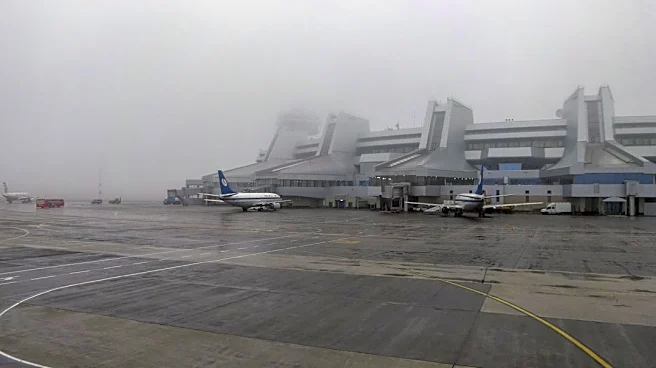
The Civil Aeronautics Board (CAB) has instructed airlines to review and adjust their scheduled operations in anticipation of the 49th Association of Southeast Asian Nations (ASEAN) Summit and Related Summits, set to take place in Manila from November
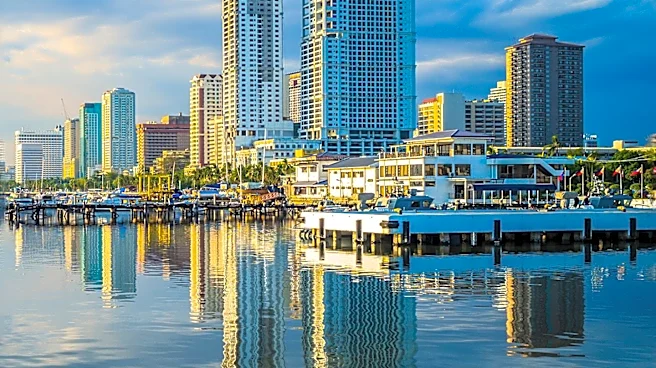
16-18. This directive aims to minimize public inconvenience caused by potential flight cancellations or adjustments. The CAB's advisory, issued on October 26, highlights that the arrival of ASEAN delegates may necessitate temporary flight and airport operational changes, alongside enhanced security measures. Airlines are required to promptly notify affected passengers about flight status changes through all available communication channels and adhere strictly to the Air Passenger Bill of Rights, ensuring passengers receive their entitlements. Additionally, airlines must ensure adequate personnel are available to assist affected travelers. The summit, which includes various ASEAN-related meetings such as the ASEAN Maritime Forum and the ASEAN Inter-Parliamentary Assembly General Assembly, will be held across Metro Manila, primarily at the Philippine International Convention Center. Malacañang has declared November 16-18 as special non-working days in the National Capital Region to ease traffic congestion and facilitate the summit's security and logistics.
Why It's Important?
This directive is important for several reasons, primarily concerning the operational efficiency of air travel and passenger rights during major international events. The proactive measures by the Civil Aeronautics Board aim to mitigate widespread disruptions, which can have significant economic and social impacts. For the U.S., while the summit is held in Manila, disruptions to international air travel can affect U.S. citizens traveling to or from the region, as well as cargo operations that rely on efficient air logistics. The emphasis on the Air Passenger Bill of Rights sets a precedent for how passenger welfare should be prioritized during such events, potentially influencing similar policies in other countries or international aviation bodies. Furthermore, the summit itself, as the highest policy-making body in ASEAN, addresses regional security, economic cooperation, and other issues that directly or indirectly impact U.S. interests in the Indo-Pacific. Smooth logistical operations for the summit contribute to its overall success, which can foster regional stability and economic growth, benefiting U.S. trade and diplomatic relations.
What's Next?
Airlines are expected to coordinate closely with relevant airport authorities and implement the necessary flight adjustments. Passengers planning to travel during November 16-18 are advised to continuously monitor their flight status and official government and airline advisories. They should also communicate directly with their airlines for alternative travel options. Given the anticipated land traffic congestion, road closures, and heightened security protocols in Metro Manila, travelers are urged to allocate sufficient time for check-in, security screening, and other airport procedures. The three-day school and work suspension in the National Capital Region will be in effect, aiming to reduce urban congestion and ensure the safety and security of summit participants. The successful execution of these logistical plans will be crucial for the smooth conduct of the 49th ASEAN Summit, which will involve heads of state and government from ASEAN member states discussing critical regional matters.
Beyond the Headlines
The logistical challenges posed by hosting a major international summit like ASEAN highlight the intricate balance between national security, economic activity, and public convenience. The declaration of non-working days and the directive to airlines underscore the significant resources and coordination required to manage such events. This situation also brings to light the broader implications of international diplomacy on daily life, as ordinary citizens' routines are altered to accommodate high-level political gatherings. The focus on passenger rights during potential disruptions reflects an evolving standard in global travel, where consumer protection is increasingly integrated into operational planning for large-scale events. This could set a benchmark for how other nations handle similar situations, emphasizing transparency and accountability from service providers. Ultimately, the efficiency with which these logistical hurdles are overcome can subtly influence the perception of the host nation's organizational capabilities and its standing on the international stage.