



What's Happening?
The Trump administration has initiated investigations into 13 states that mandate state-regulated health insurance plans to cover abortion. This action is part of a broader dispute over the interpretation of the Weldon Amendment, a federal provision that prohibits
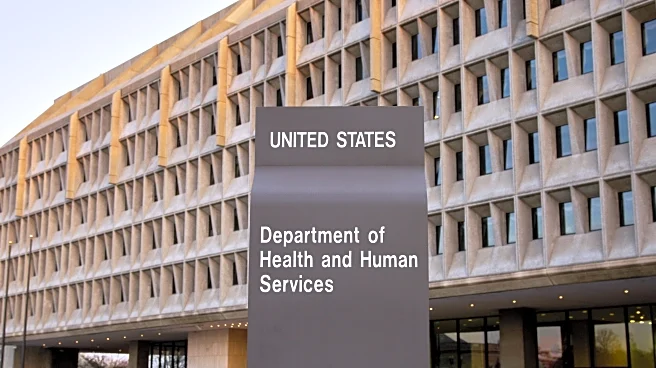
states from discriminating against health entities that do not provide, cover, or refer for abortion services. The states under investigation include California, Colorado, Delaware, Illinois, Maine, Maryland, Massachusetts, Minnesota, New Jersey, New York, Oregon, Vermont, and Washington. The U.S. Department of Health and Human Services (HHS) is seeking to determine if these states are in violation of the Weldon Amendment by not allowing employers or health care issuers to opt out of providing abortion coverage. The investigation reflects a shift in policy interpretation from the previous administration, which did not apply the Weldon Amendment to employers or health care sponsors.
Why It's Important?
This investigation underscores the ongoing national debate over abortion rights and the extent of religious and moral exemptions in health care. The outcome could significantly impact how states regulate health insurance coverage for abortion, potentially affecting millions of Americans. If the Trump administration's interpretation prevails, states may face pressure to alter their health insurance mandates, which could lead to reduced access to abortion services. This move is seen as fulfilling promises to the religious right, highlighting the political and ideological divides over reproductive rights in the U.S. The investigation also raises questions about federal versus state authority in health care regulation, with potential implications for Medicaid funding and state health policies.
What's Next?
The HHS civil rights office will continue to gather information from the states under investigation. Depending on the findings, states may be required to adjust their health insurance regulations to comply with the Weldon Amendment. Legal challenges are likely, as states and advocacy groups may contest the federal government's interpretation of the amendment. The issue could ultimately be resolved in court, setting a precedent for how conscience laws are applied in health care. Additionally, the investigation may influence upcoming elections, as candidates and parties position themselves on the issue of abortion rights and religious exemptions.