


What's Happening?
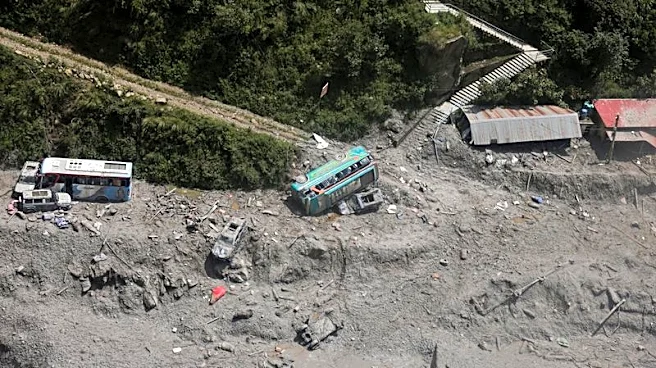
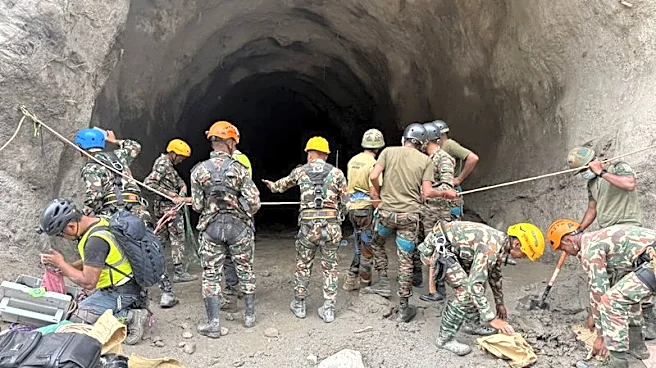
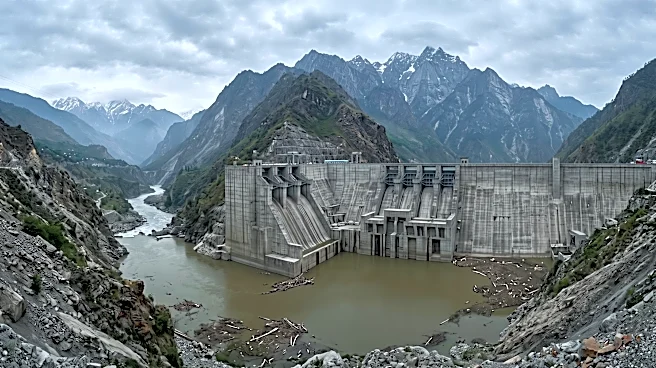
Scientists are examining the distinct characteristics of glacier collapses in Alaska following a catastrophic event in the Himalayas that resulted in hundreds of deaths and thousands missing. While the Himalayan disaster involved a massive chunk of glacier and underlying
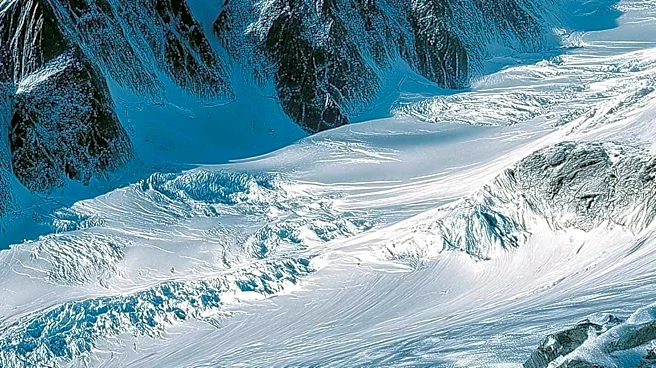
rock breaking off, leading to severe flooding, Alaskan glacier collapses, though present, tend to manifest differently. According to Eran Hood, a professor of environmental science at the University of Alaska Southeast, human-caused climate change is destabilizing glaciers globally, increasing the likelihood of such events. Joanna Young, a research assistant professor at the International Arctic Research Center and the University of Alaska Fairbanks, notes that a key factor for these collapses is ice precariously perched on steep terrain, combined with significant water infiltration from heavy rains or prolonged hot periods. In Alaska, specifically in Wrangell-St. Elias National Park, the Flat Creek Glacier experienced two large collapses in 2013 and 2015, as documented by glaciologist Mylène Jacquemart. These events, while substantial, were smaller in scale than the recent Himalayan incident. Researchers emphasize that while Alaska has its own glacier hazards, the specific conditions and population density differ significantly from the Himalayas.
Why It's Important?
The comparison between glacier collapses in Alaska and the Himalayas highlights the varied impacts of climate change on glacial environments and the distinct risks faced by different regions. For Alaska, understanding these differences is crucial for hazard mitigation and public safety, especially given the state's reliance on tourism, which often involves glacier viewing. While the immediate threat of a Himalayan-scale catastrophe in populated Alaskan areas is considered less likely due to wider glacially carved valleys and lower population density along river corridors, other hazards are amplified. The melting of permafrost as glaciers retreat makes rock susceptible to crumbling, increasing the risk of landslides. This is particularly relevant for communities in Southeast Alaska, which have experienced more destructive landslides in recent years, some resulting in fatalities. The ongoing destabilization of glaciers globally underscores the urgent need for comprehensive climate action and localized hazard assessments to protect both human lives and infrastructure.
What's Next?
As climate warming continues, scientists anticipate an increase in glacier collapses and related cascading hazards globally, including in Alaska. The ongoing research into the mechanisms of these events, such as the one in the Himalayas, will provide valuable data to improve models for estimating landslide sizes and predicting future occurrences in places like Alaska. Communities in Alaska, particularly those in areas prone to glacial retreat and landslides, will need to continue developing and refining emergency response plans that account for these evolving risks. This includes considering the safety of both residents and the significant number of tourists drawn to Alaska's glaciers. Collaborative scientific efforts and clear communication of hazards are essential to ensure that communities are prepared for potential events, even if they differ in nature from those seen elsewhere. The focus will remain on understanding the specific geological and climatic conditions that make certain areas vulnerable and implementing proactive measures.
Beyond the Headlines
The discussion around glacier collapses extends beyond immediate disaster response to broader ethical and societal implications. The increasing frequency and intensity of these events serve as stark reminders of the profound and far-reaching consequences of human-caused climate change. While the direct human toll in Alaska from glacier collapses may not mirror the scale of the Himalayan disaster, the indirect impacts on the environment, local economies, and indigenous communities are significant. The retreat of glaciers affects water resources, ecosystems, and traditional ways of life. Furthermore, the phenomenon of cascading hazards—where one natural event triggers another, such as glacier retreat leading to landslides—underscores the interconnectedness of environmental systems. This necessitates a holistic approach to climate change mitigation and adaptation, moving beyond single-hazard assessments to consider complex, multi-faceted risks. The global nature of these events also highlights a shared responsibility to address climate warming and protect vulnerable populations and environments worldwide.