


What's Happening?
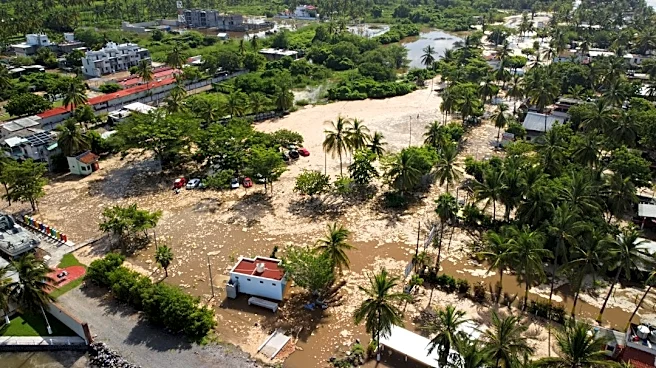
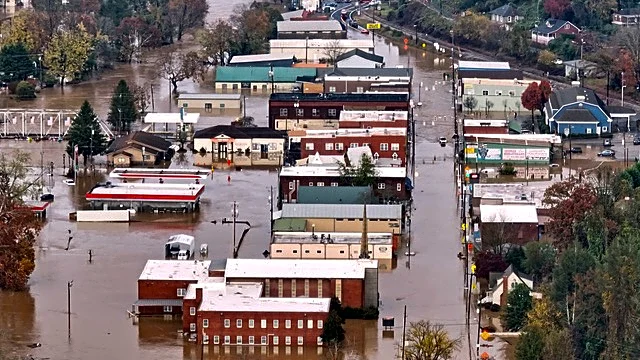
A Flash Flood Emergency was declared across Polk County, Tennessee, and Fannin County, Georgia, following torrential rain. This severe weather event, which occurred early Thursday, caused rivers and creeks to overflow their banks, leading to widespread
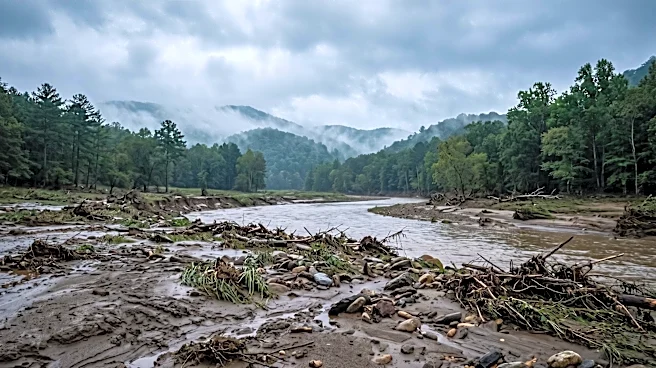
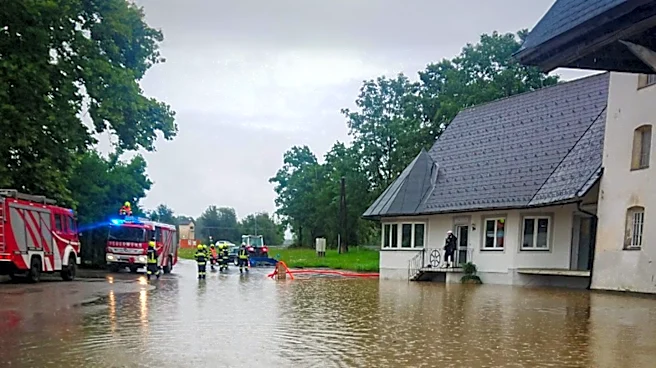
flooding in communities such as McCaysville, Georgia, and Copperhill, Tennessee. Authorities reported that at least 45 people have been rescued in McCaysville, Georgia. The Toccoa River in Georgia and the Ocoee River in Tennessee reached major flood stages, with the Toccoa River cresting at a new record of over 18 feet after receiving 5-8 inches of rain within a 12-hour period. Georgia Governor Brian Kemp confirmed that a multi-agency and multi-state response is underway, involving swiftwater and helicopter rescue teams from both Tennessee and Georgia. The City of McCaysville declared a state of emergency, and residents in some neighborhoods were forced to evacuate. One firefighter sustained minor injuries after a propane tank exploded outside a business in McCaysville due to the flooding. Additionally, Fannin County officials reported at least six buildings caught fire during the storms, believed to be caused by lightning.
Why It's Important?
This flash flood event highlights the increasing vulnerability of U.S. communities to extreme weather phenomena, posing significant risks to public safety and infrastructure. The declaration of a Flash Flood Emergency underscores the immediate and severe threat to life and property, necessitating rapid and coordinated emergency responses. The record-breaking river levels and extensive flooding in Georgia and Tennessee will likely result in substantial property damage to homes and businesses, leading to considerable economic losses for affected residents and local economies. The deployment of multi-agency and multi-state resources demonstrates the scale of the disaster and the need for robust inter-state cooperation in emergency management. Furthermore, the incident involving a firefighter injury and multiple building fires due to lightning strikes during the storm points to the multifaceted dangers associated with such severe weather, placing additional strain on emergency services and potentially increasing insurance claims across the region. The disruption to daily life, including school closures and city shutdowns, also impacts local commerce and community well-being.
What's Next?
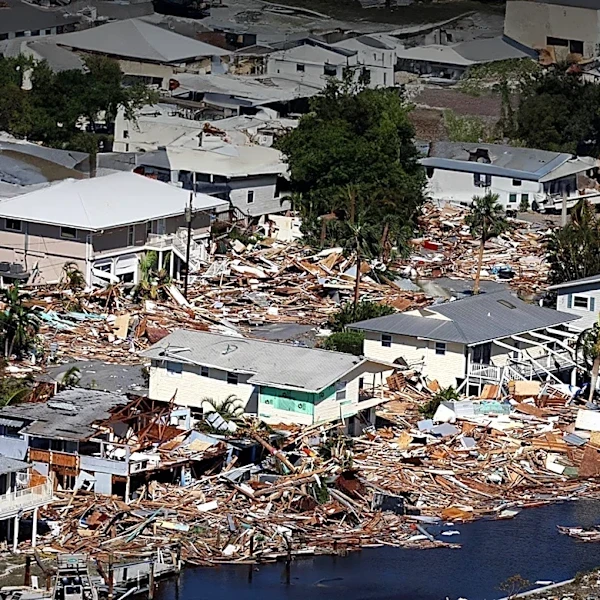
As water levels begin to recede, the immediate focus will shift towards comprehensive damage assessment and recovery efforts in Polk County, Tennessee, and Fannin County, Georgia. Emergency services will continue to conduct safety assessments and ensure all residents are accounted for. Local authorities in McCaysville, Georgia, and Copperhill, Tennessee, will need to coordinate with state and federal agencies to secure funding and resources for rebuilding damaged infrastructure and assisting affected residents and businesses. The closure of the Rogers Creek Bridge due to structural damage will require significant repair work, impacting local transportation and commerce. Additionally, there will likely be ongoing investigations into the causes of the building fires and the propane tank explosion to prevent similar incidents in the future. The long-term recovery will involve addressing the needs of displaced residents, restoring essential services, and implementing measures to enhance flood resilience in these communities, potentially including infrastructure improvements and updated emergency preparedness plans.
Beyond the Headlines
The severe flooding in Georgia and Tennessee, marked by record river levels and extensive damage, underscores a broader national challenge related to climate change and extreme weather patterns. This event could prompt a reevaluation of existing flood plain management and urban planning strategies in vulnerable regions across the U.S. The incident highlights the critical importance of early warning systems and public awareness campaigns for flash flood emergencies, as timely evacuations are crucial for saving lives. The multi-state response also emphasizes the interconnectedness of regional disaster preparedness and the need for seamless coordination between different jurisdictions. Furthermore, the economic impact, including property losses and business disruptions, may lead to discussions about federal aid and insurance reforms to better support communities recovering from climate-related disasters. This event serves as a stark reminder of the increasing frequency and intensity of such weather phenomena, urging a proactive approach to climate adaptation and resilience building at both local and national levels.