
What's Happening?
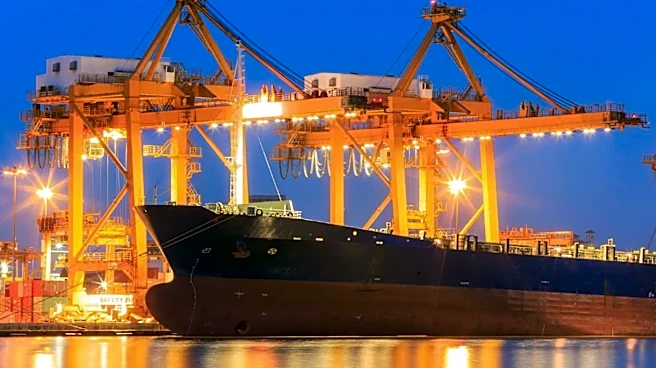
The ongoing U.S.-Iran conflict has significantly impacted the global energy market, particularly affecting the liquefied natural gas (LNG) sector. The conflict has led to increased insurance costs for
LNG deliveries, prompting Asian and European buyers to seek lower prices and additional supply guarantees from major Gulf producers like Qatar and the United Arab Emirates (UAE). The Strait of Hormuz, a critical shipping chokepoint, has seen disruptions that have halted most oil and gas flows, weakening the negotiating power of Gulf producers. Historically, Qatar and the UAE have been dominant forces in the global gas market due to their vast reserves and competitive pricing. However, the increased risk and insurance costs are providing buyers with leverage to negotiate better terms.
Why It's Important?
This shift in bargaining power could have significant implications for the global energy market. Gulf producers, who have traditionally set the terms of LNG contracts, may now face pressure to offer more competitive pricing and flexible terms. This change could benefit buyers, particularly in Asia and Europe, who are looking to secure more favorable deals amid rising energy costs. Additionally, the increased competition from other LNG producers, such as the United States, Canada, and Mozambique, could further drive down prices. The situation underscores the vulnerability of global energy supply chains to geopolitical tensions and highlights the need for diversified energy sources.
What's Next?
As the conflict continues, buyers are likely to push for more secure and diversified supply arrangements. This could involve seeking guarantees for replacement cargoes from alternative projects, such as Qatar's Golden Pass LNG terminal in the United States. Gulf producers may need to adapt to a new risk profile and consider strategic adjustments to maintain their market position. The ongoing situation in the Strait of Hormuz will be closely monitored by industry stakeholders, as any further disruptions could exacerbate the current challenges.