





What's Happening?
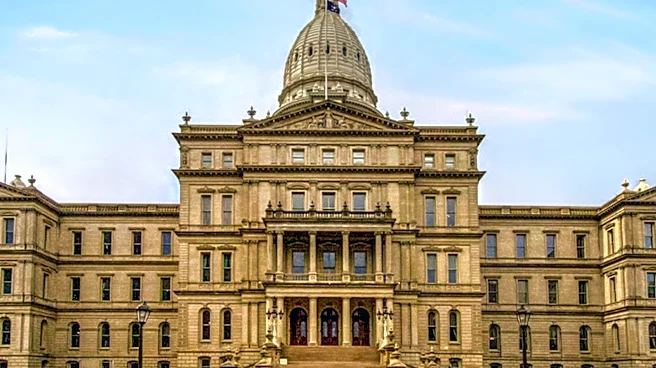
The Michigan House of Representatives has voted 92-15 to advance two bills, HB 6098 and HB 6099, aimed at prohibiting businesses from increasing prices based on a shopper's personal information. These bills, sponsored by Republican state representatives
Steve Frisbie and Rylee Linting, seek to amend the Michigan Consumer Protection Act and the Shopping Reform and Modernization Act. HB 6098 would classify the practice of using personal data like location, cookies, device identifiers, IP addresses, and search/purchase records to raise prices as unfair. HB 6099 would then add a surveillance pricing prohibition to the Shopping Reform and Modernization Act, contingent on HB 6098 becoming law. The legislation has been referred to the Economic and Community Development Committee in the Senate. While dynamic pricing based on demand and supply would remain legal, and retailer loyalty programs would be exempt, the bills represent a broader effort to regulate how retailers use consumer data for pricing.
Why It's Important?
This legislative action in Michigan is part of a growing national trend to address concerns about 'surveillance pricing,' where consumers might be charged different prices based on their personal data. The ACLU of Michigan's legislative director, Kyle Zawacki, highlighted the unfairness of economic rights being impacted due to personal characteristics or location. Similar efforts are underway in other states, with California's AB 2564 clearing the state Senate to ban price tailoring using electronically gathered personal information, and New York's Algorithmic Pricing Disclosure Act already allowing for $1,000 fines for violations. The Federal Trade Commission (FTC) is also investigating companies for using browsing habits to charge higher prices and has warned that hidden surveillance pricing could violate consumer protection law. This push for regulation could significantly impact how businesses operate, particularly those relying on personalized pricing strategies, and aims to protect consumers from potentially discriminatory pricing practices.
What's Next?
The Michigan bills, HB 6098 and HB 6099, will now proceed to the Economic and Community Development Committee in the Senate for further consideration. If passed, enforcement would fall to the attorney general and prosecutors, meaning individual shoppers would not be able to sue under the proposed ban. The Michigan Retailers Association has expressed a desire for clearer distinctions between surveillance pricing and other common practices like seasonal markdowns and supply-and-demand adjustments. Trade association NetChoice has also voiced objections, stating that the bills lack clarity on what constitutes a violation. The outcome in Michigan could influence similar legislative efforts in other states and potentially contribute to a broader federal discussion on consumer data privacy and algorithmic pricing. The ongoing FTC investigations and Senate hearings indicate continued scrutiny of these practices at a national level.
Beyond the Headlines
The debate over surveillance pricing touches upon fundamental questions of consumer fairness, data privacy, and the ethics of algorithmic decision-making. While businesses argue for the efficiency and personalization benefits of using consumer data, advocates for the legislation emphasize the potential for discrimination and economic disadvantage. The exemption for retailer loyalty programs, despite their data collection practices, highlights the complexities of balancing consumer protection with existing business models. This legislative trend could lead to a re-evaluation of how personal data is collected, used, and monetized across various industries, potentially fostering a more transparent and equitable marketplace. However, it also raises concerns about the potential for over-regulation and its impact on innovation and competition, as highlighted by NetChoice's objections regarding clarity for businesses.