
What's Happening?
Eastern European countries are facing an energy crisis as record low water levels on the Danube River threaten power plant operations. Persistent drought and extreme heat have reduced the Danube's water levels,
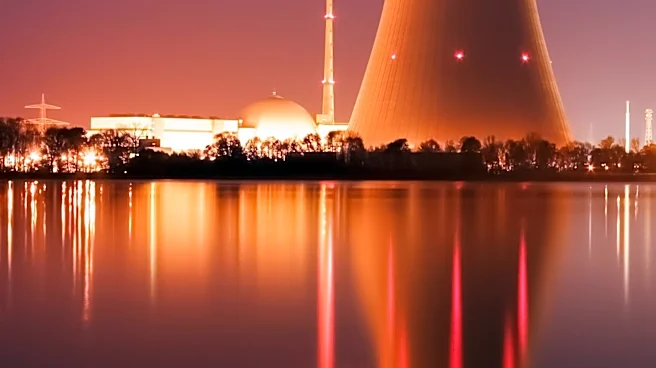
impacting Hungary's Paks nuclear plant, which relies on the river for cooling. The plant is operating at reduced capacity, and a full shutdown is imminent. Hungary and neighboring countries like Romania and Serbia are implementing electricity conservation measures to manage the crisis, including curbing industrial electricity use and limiting freight train operations during peak hours.
Why It's Important?
The energy crisis caused by low Danube levels highlights the vulnerability of energy infrastructure to climate-related events. The situation underscores the need for diversified energy sources and improved water management strategies to ensure energy security. The crisis also emphasizes the interconnectedness of environmental and energy policies, as countries must balance immediate energy needs with long-term sustainability goals. The impact on regional economies and potential disruptions to industries reliant on stable energy supplies could have broader economic implications.
What's Next?
Countries affected by the Danube's low levels will likely continue to implement and possibly expand conservation measures to manage the energy shortfall. Long-term solutions may involve investing in alternative energy sources and infrastructure improvements to mitigate future risks. Regional cooperation on water management and energy policy could become more critical as countries seek to address shared challenges. The situation may also prompt discussions on climate adaptation strategies to enhance resilience against similar events.