



What's Happening?
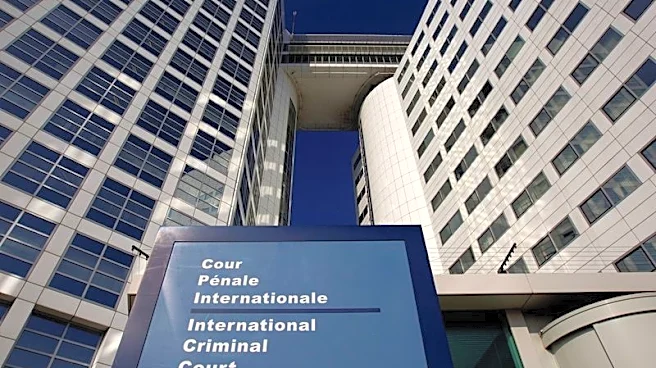
The Tripoli-based Libyan Ministry of Foreign Affairs has formally notified the International Court of Justice (ICJ) in The Hague of its intention to file a lawsuit against Israel. This legal action concerns the 1973 downing of Libyan Airlines Flight 114
over the Sinai Peninsula, an incident that resulted in 108 civilian fatalities. The decision to pursue this lawsuit follows the 2023 declassification of minutes from Israeli cabinet meetings held at the time of the incident. Libya asserts that these declassified minutes provide irrefutable evidence that Israel violated its obligations under the 1971 Montreal Convention on aviation safety. Libya intends to submit a formal application to institute proceedings in accordance with Article 40, Paragraph 1, of the ICJ’s Statute, which will detail the dispute, legal grounds for jurisdiction, relevant facts, alleged international law violations, and requested remedies. The letter to the ICJ serves as a formal notice of intent to initiate these proceedings.
Why It's Important?
This impending lawsuit carries significant international legal and political implications. For Libya, it represents a long-delayed pursuit of justice and accountability for a historical event that caused substantial loss of life. The reliance on newly declassified documents from Israel underscores the potential for historical records to reshape international legal disputes decades later. If the ICJ accepts the case, it could set a precedent for how states are held accountable for actions impacting civilian aviation during times of conflict. For Israel, the lawsuit reopens a sensitive historical incident and could lead to international scrutiny and potential legal findings against it. The case also highlights the ongoing complexities of international law, particularly concerning state responsibility, aviation safety, and the use of force in airspace. The outcome could influence future interpretations of international conventions and the conduct of states in similar situations.
What's Next?
Libya is expected to formally submit its application to institute proceedings at the International Court of Justice. This application will meticulously define the subject of the dispute, outline the legal grounds for the ICJ’s jurisdiction, recount the relevant facts of the 1973 incident, specify the provisions of international law alleged to have been violated by Israel, and detail the remedies sought by Libya. Following the submission, the ICJ will review the application to determine if it has jurisdiction over the case and if the application meets the procedural requirements. Both Libya and Israel will likely engage in extensive legal preparations, gathering evidence and arguments to support their respective positions. The process at the ICJ can be lengthy, involving written pleadings, oral arguments, and ultimately, a judgment from the court. The international community will closely watch the developments, as the case could have broader implications for international aviation law and state accountability.
Beyond the Headlines
The decision by Libya to pursue a lawsuit against Israel over an incident from 1973, nearly five decades later, highlights the enduring nature of historical grievances and the persistent quest for justice in international relations. The declassification of Israeli cabinet minutes in 2023 serves as a critical catalyst, demonstrating how transparency and access to historical records can empower states to seek redress for past wrongs. This case transcends the immediate legal dispute, touching upon themes of historical memory, national sovereignty, and the long-term impact of state actions on civilian populations. It also underscores the role of international legal bodies like the ICJ as avenues for resolving disputes that might otherwise remain unresolved or contribute to ongoing political tensions. The outcome, regardless of the specific judgment, will contribute to the evolving jurisprudence of international law, particularly concerning state responsibility in armed conflicts and the protection of civilian life.